
The Ultimate Guide to South African Wildlife Photography


Introduction to South African Wildlife Photography
South Africa, a land rich in biodiversity, offers unparalleled opportunities for wildlife photography. From the majestic Big Five to the vibrant birdlife, the country is a paradise for both amateur and professional photographers. Capturing the essence of South Africa’s wildlife requires skill, patience, and a deep understanding of the environment.
Essential Gear for Capturing Stunning Images
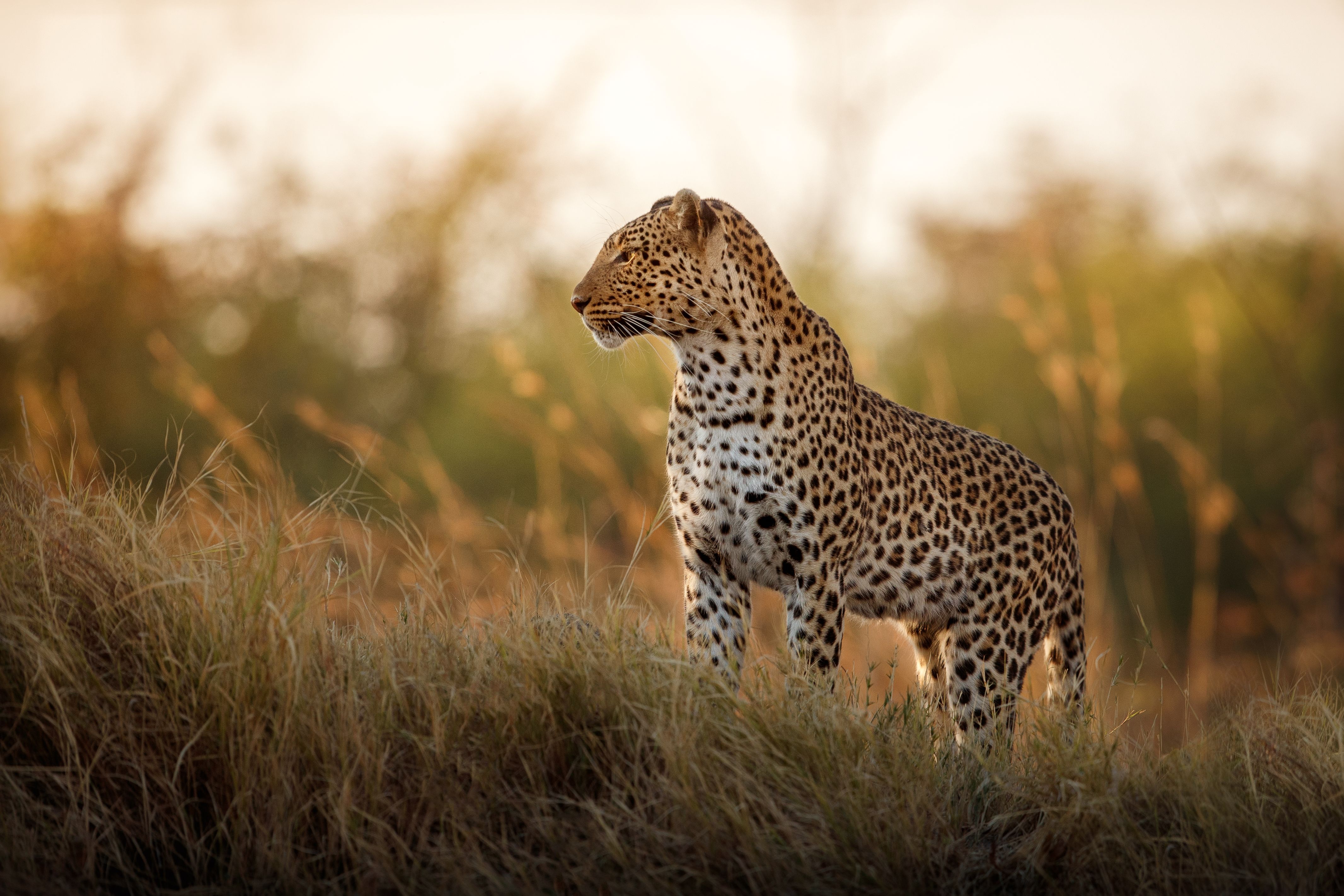
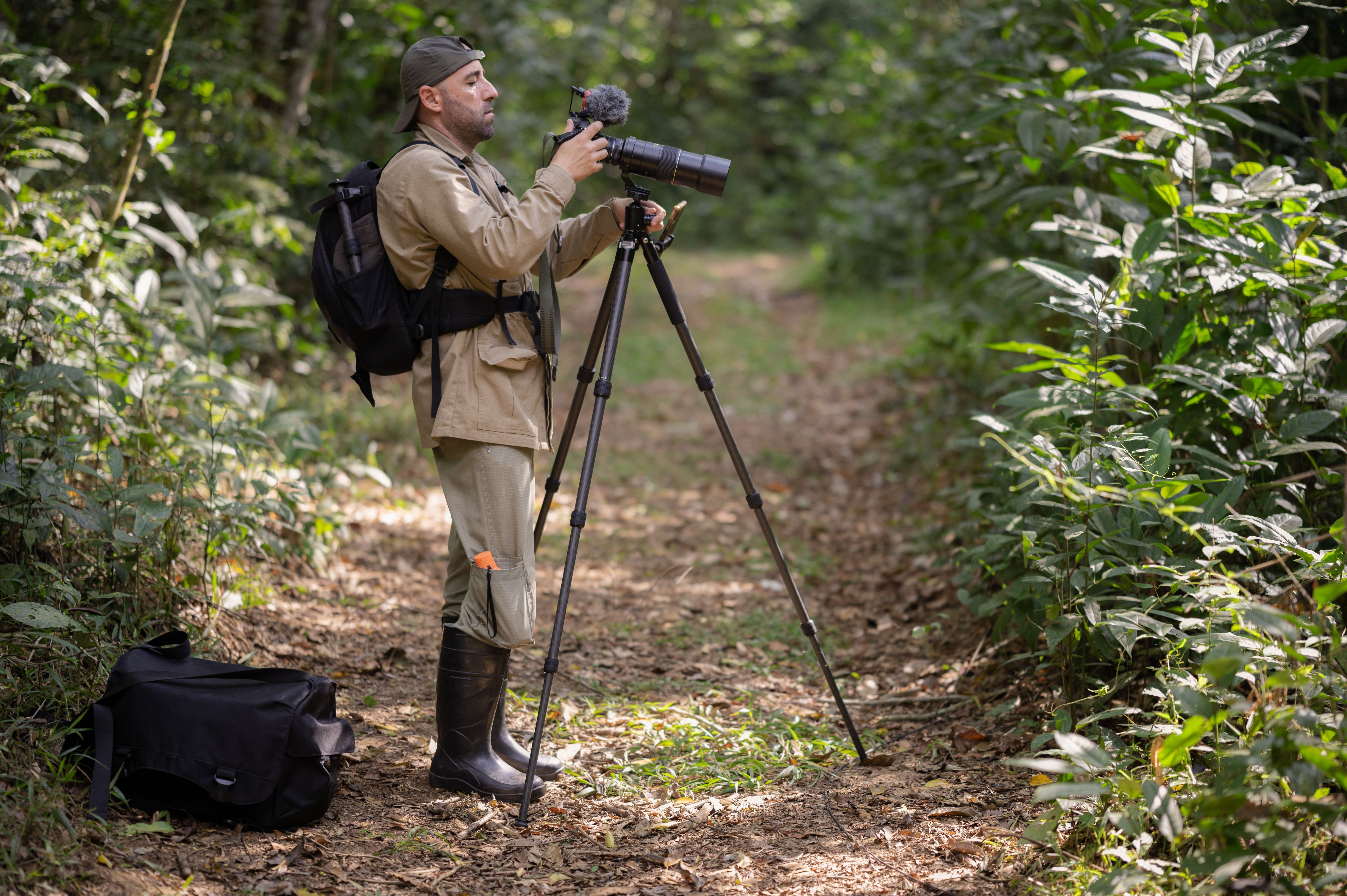
To capture breathtaking images of South Africa’s diverse wildlife, the right equipment is crucial. A sturdy camera with a fast shutter speed and good zoom capabilities is essential. Consider investing in:
- Telephoto Lens: Ideal for capturing distant subjects without disturbing them.
- Tripod: Helps stabilize your camera for clear, sharp images.
- Polarizing Filter: Reduces glare and enhances colors.
Choosing the Right Camera
While DSLRs are popular for wildlife photography, many mirrorless cameras now offer comparable features with the advantage of being more lightweight. Ensure your camera has a fast autofocus system to capture moving subjects.
Best Locations for Wildlife Photography in South Africa
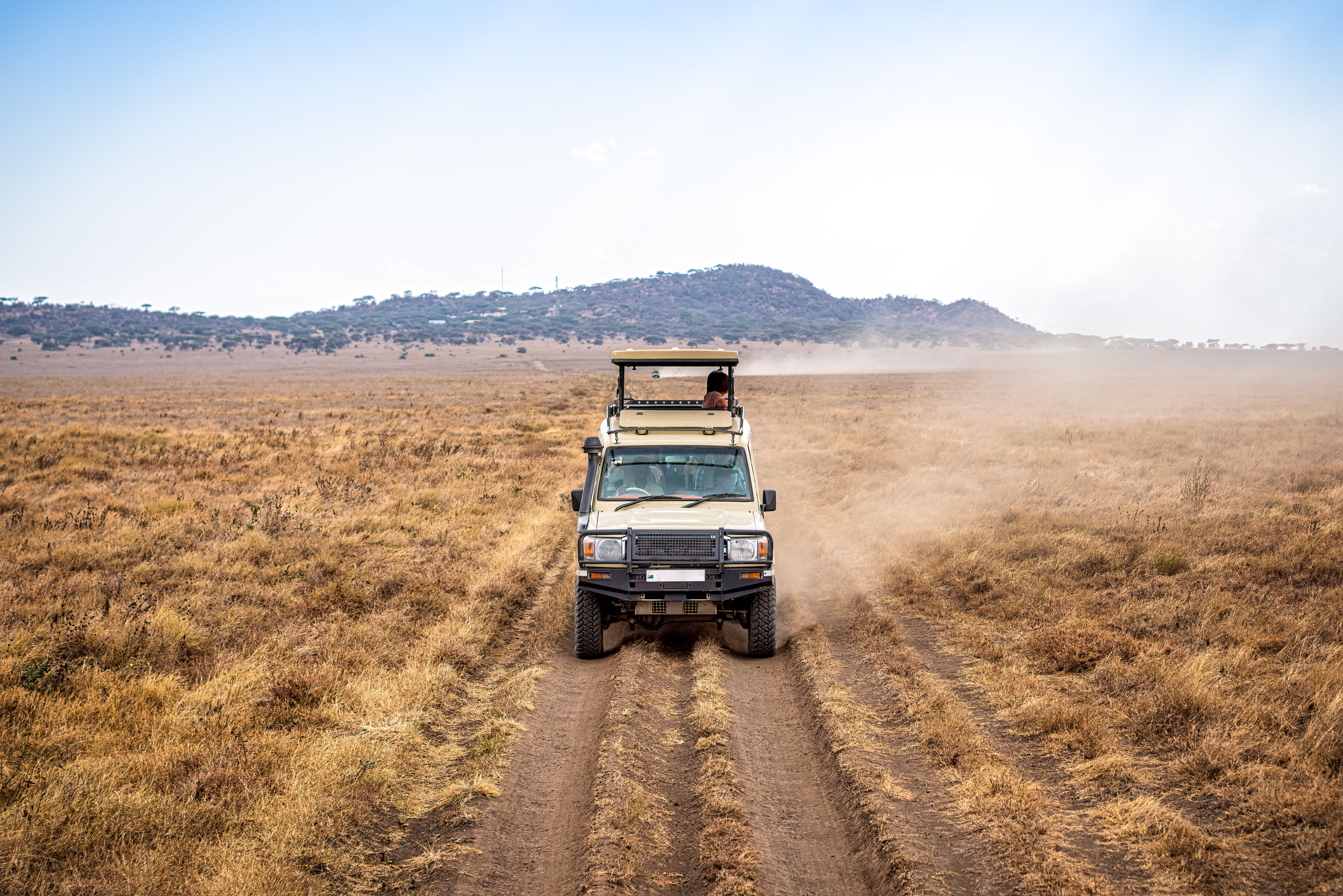
South Africa boasts numerous national parks and reserves, each offering unique opportunities to photograph wildlife. Some top locations include:
- Kruger National Park: Home to the Big Five, it’s a must-visit for any wildlife photographer.
- Addo Elephant National Park: Known for its large elephant herds and diverse landscapes.
- Hluhluwe-Imfolozi Park: Offers stunning scenery and a chance to photograph rhinos.
Understanding Animal Behavior
To capture compelling images, understanding animal behavior is key. Spend time observing your subjects to anticipate their actions. This knowledge helps you be in the right place at the right time, increasing your chances of capturing that perfect shot.
Perfecting Your Photography Techniques
Mastering certain techniques can significantly enhance your wildlife photography. Use the golden hour—early morning or late afternoon—when the light is soft and warm. Practice using different angles and perspectives to create dynamic and engaging images.
Post-Processing Tips
Post-processing is an integral part of wildlife photography. Use editing software to adjust exposure, contrast, and color balance. However, aim to enhance the natural beauty of your images without over-editing them.

Ethical Considerations in Wildlife Photography
Respect for wildlife and their habitats should always be a priority. Follow ethical guidelines, such as maintaining a safe distance from animals and not disturbing their natural behavior. Responsible photography ensures the sustainability of these incredible environments for future generations.
By following these tips and embracing the rich diversity of South Africa’s wildlife, you can create stunning images that tell powerful stories about this remarkable part of the world.