
The Therapeutic Power of Photography: Combining Art and Counselling


The Intersection of Art and Healing
Photography is more than just capturing a moment in time; it is a powerful tool that can be used for self-expression and emotional healing. By combining art with counselling, photography offers a unique pathway to explore emotions, reduce stress, and foster personal growth.
Many therapists are now incorporating photography into their practice, recognizing its potential to help individuals express feelings that might be difficult to articulate with words. This fusion of art and therapy is not only innovative but also highly effective in promoting mental well-being.

Understanding Therapeutic Photography
Therapeutic photography involves using a camera to explore one's inner world. This process encourages individuals to look at their surroundings with a fresh perspective, capturing images that resonate with their emotional state. The act of taking photos becomes a meditative practice, allowing for introspection and mindfulness.
Participants often find that photography helps them connect with their emotions, making it easier to discuss and process feelings during counselling sessions. This visual expression becomes a bridge between the conscious and subconscious mind, facilitating deeper understanding and healing.
The Benefits of Photography in Counselling
There are several benefits to incorporating photography into counselling sessions:
- Enhanced Self-Expression: Photography provides a visual language for those who may struggle to express themselves verbally.
- Increased Mindfulness: Focusing on capturing images encourages individuals to be present in the moment, reducing anxiety and stress.
- Empowerment: Creating art through photography can boost confidence and self-esteem, empowering individuals to take control of their healing journey.
Practical Applications
Therapists often integrate photography into sessions by assigning specific themes or prompts. For example, clients might be asked to photograph things that make them feel happy or safe. These assignments are then discussed in therapy, providing insight into the client's emotional landscape.
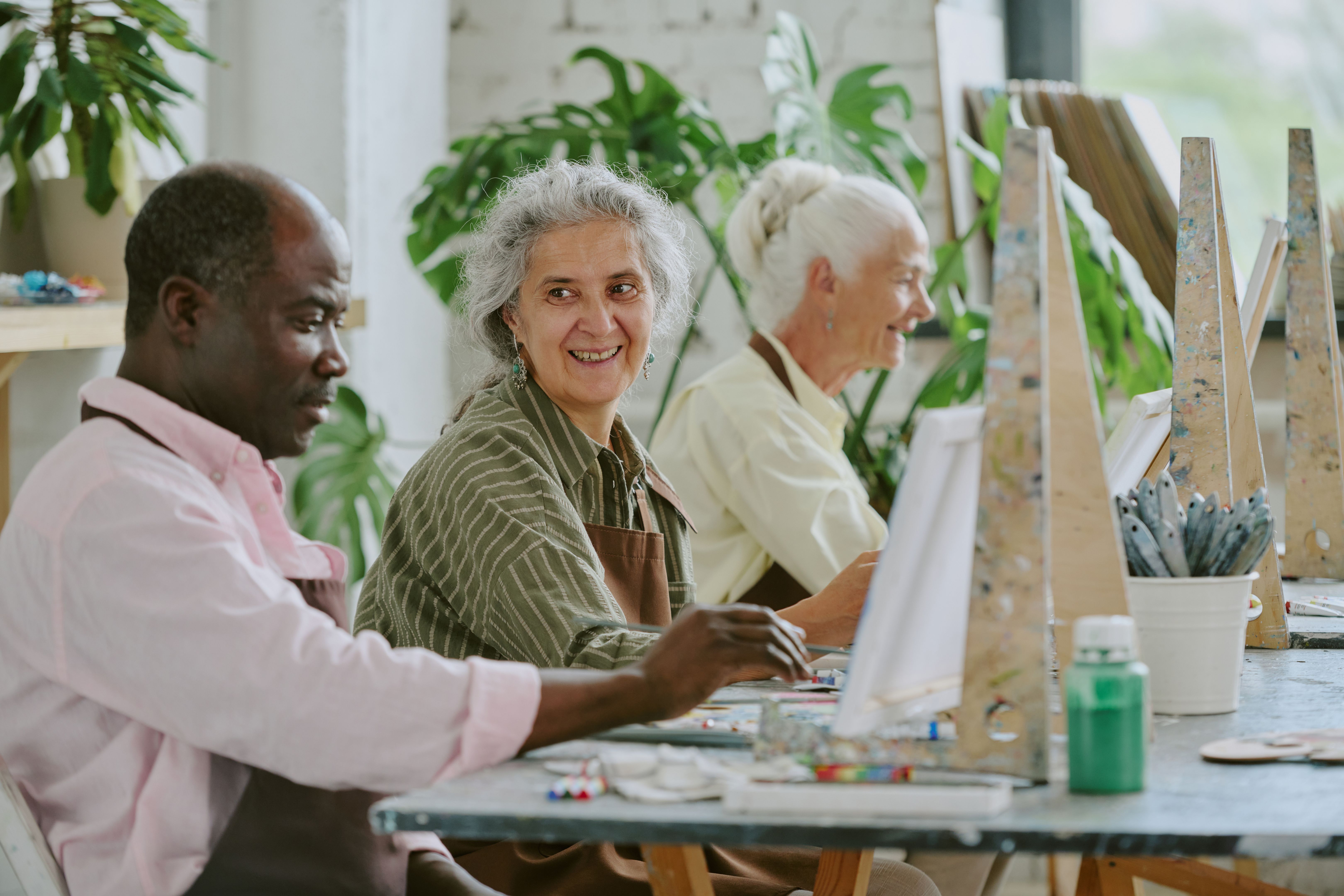
Moreover, group photography projects can foster a sense of community and shared understanding among participants. By sharing their work, individuals can feel validated and supported, enhancing the therapeutic experience.
Getting Started with Therapeutic Photography
For those interested in exploring therapeutic photography, starting is simple. You don't need professional equipment; a smartphone camera is sufficient. The focus is on the process, not the technical quality of the images.
Consider setting aside regular time to take photos, allowing yourself to explore your environment freely. Reflect on the images you've captured and consider what they reveal about your emotions and thoughts. This practice can be both enlightening and cathartic.
Conclusion: A Pathway to Healing
Photography as a therapeutic tool offers a compelling blend of creativity and healing. By integrating it into counselling, individuals can unlock new pathways to understanding themselves and their emotions. Whether you're a therapist or someone seeking personal growth, therapeutic photography can be a valuable addition to your toolkit.
As more people discover the benefits of this approach, the popularity of photography in therapy is likely to grow, continuing to transform lives through the power of art and self-expression.