
The Intersection of Teaching and Photography: Educating Through Imagery


The Power of Visual Learning
In today's digital age, visual learning has become a crucial component of education. Photography, with its ability to capture moments and convey complex ideas, plays a significant role in this learning style. By integrating photography into teaching, educators can create a dynamic and engaging learning environment.
Photographs can serve as powerful tools to enhance understanding and retention. They provide a visual representation of abstract concepts, making them more accessible to students. This approach is particularly beneficial for visual learners who thrive on imagery.

Engaging Students Through Imagery
Using photography in the classroom can stimulate student interest and foster creativity. By incorporating images into lessons, teachers can make subjects more relatable and intriguing. This method encourages students to explore topics from new perspectives and think critically.
Photography assignments also offer students a unique way to express themselves. By capturing images related to their studies, students can develop a deeper connection to the material and gain practical experience in visual storytelling.

Practical Applications in Education
Photography can be applied to various subjects in creative ways. Here are some examples:
- History: Use historical photographs to discuss events, cultures, and societies.
- Science: Capture images of experiments or natural phenomena to illustrate scientific principles.
- Art: Analyze renowned photographs to explore techniques and styles.
These applications not only make learning more engaging but also allow for interdisciplinary connections, enriching the educational experience.

Fostering Critical Thinking
Photography encourages students to observe their surroundings closely and think critically about what they see. By analyzing images, they learn to interpret visual information, identify details, and understand context. This skill is invaluable in developing analytical and observational abilities.
Teachers can use photographs to prompt discussions, debates, and reflections, helping students to articulate their thoughts and opinions effectively. This process aids in cultivating communication skills, essential for academic and personal growth.
Implementing Photography in Teaching
Integrating photography into the curriculum does not require expensive equipment or extensive training. Here are some simple steps to get started:
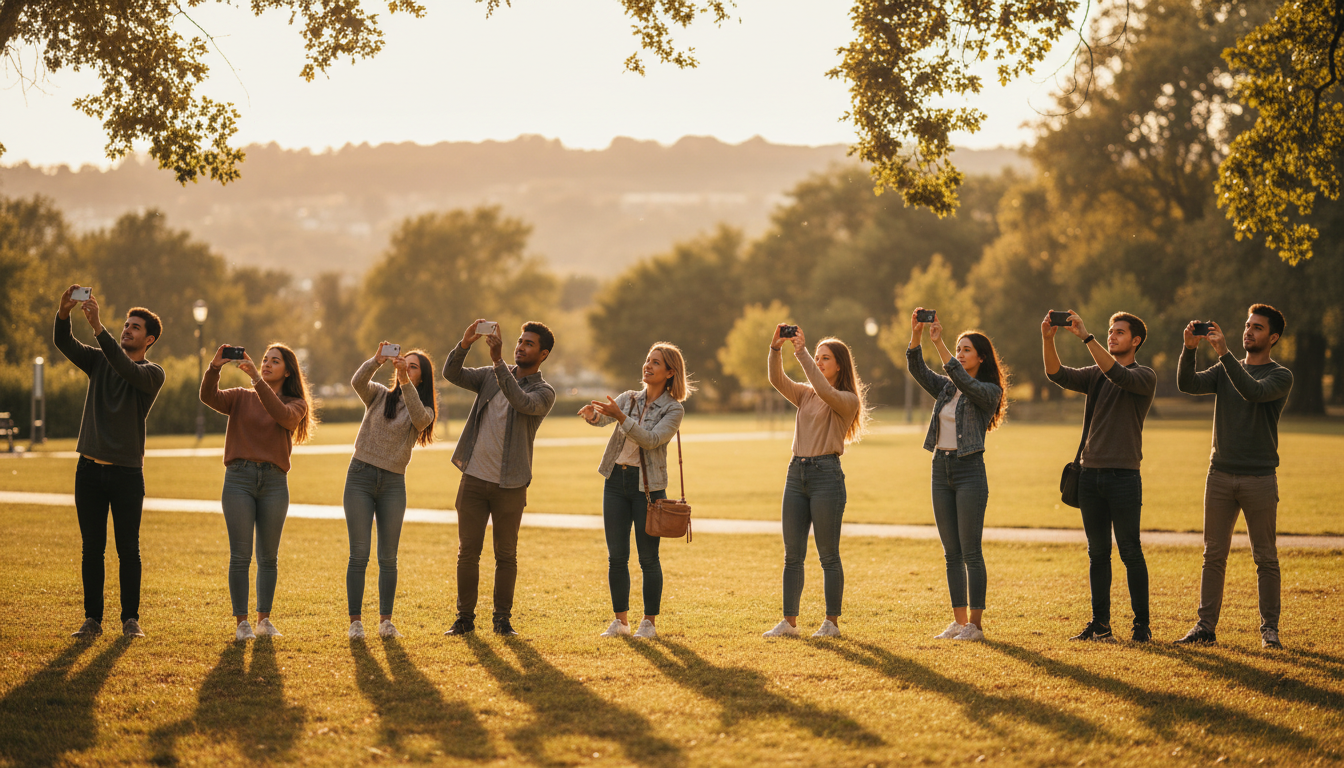
- Use smartphones or tablets for capturing and sharing images.
- Incorporate image analysis into existing lesson plans.
- Encourage students to create photo journals or projects.
- Host photo exhibitions to showcase student work.
These steps can help educators seamlessly blend photography with traditional teaching methods, enhancing the overall learning experience.
Conclusion
The intersection of teaching and photography offers exciting opportunities for educators and students alike. By embracing the power of imagery, teachers can create more engaging, accessible, and effective learning environments. As we continue to explore the possibilities of visual education, photography will remain an invaluable tool in shaping the minds of future generations.