
The Art of Storytelling Through Portrait Photography


Introduction to Portrait Photography
Portrait photography is not just about capturing a person's face; it’s about telling their story. A well-crafted portrait goes beyond the surface, revealing the essence of the subject. It’s an art form that combines technical skills with creative vision.
Understanding the Subject
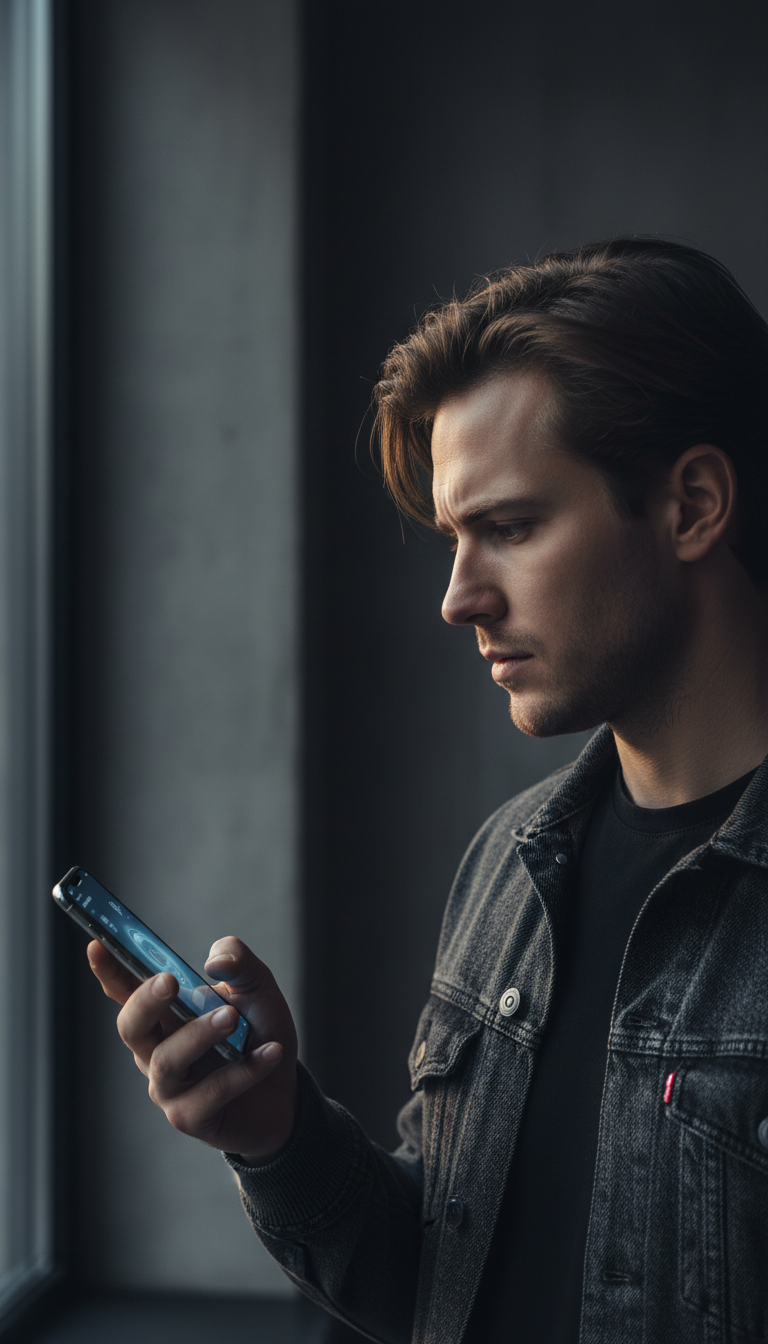
Every person has a unique story to tell, and as a photographer, your job is to uncover and express it. Begin by getting to know your subject. Ask questions and engage in conversation to make them comfortable. This rapport creates an environment where genuine expressions are more likely to emerge.
Identifying Key Elements
When composing a portrait, consider what elements of the subject's story you want to highlight. Is it their profession, emotional state, or a specific personality trait? Identifying these elements will guide your choices in terms of lighting, location, and composition.
The Role of Lighting
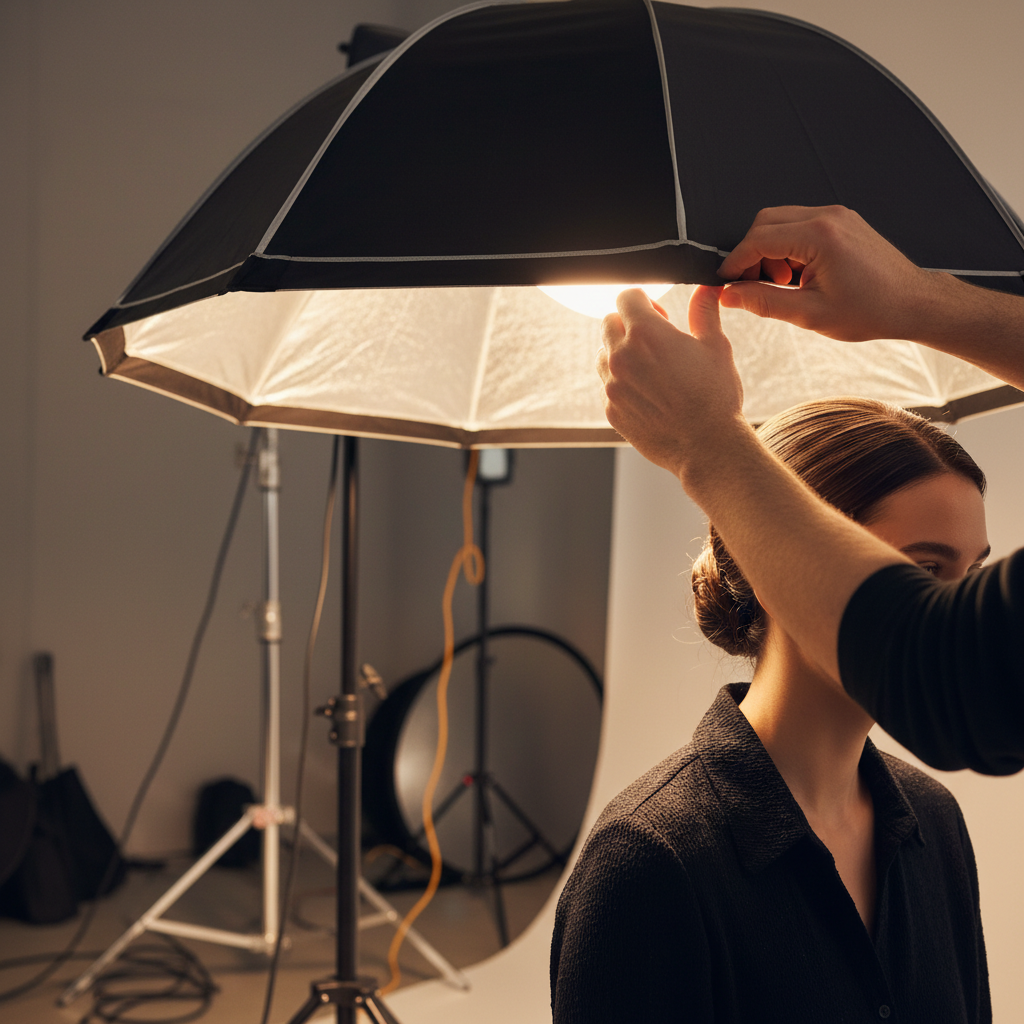
Lighting plays a crucial role in portrait photography. It can set the mood, create depth, and accentuate features. Experiment with natural and artificial light to achieve the desired effect. Soft lighting often creates a gentle, intimate feel, while harsh lighting can add drama.
Composition and Framing
The way you frame a portrait can significantly impact its storytelling power. Consider using the rule of thirds, leading lines, or negative space to draw attention to your subject. These techniques help create a visually appealing image that captivates the viewer.
Background and Environment
The background of a portrait should complement the subject’s story. A cluttered or distracting background can take away from the subject. Choose a setting that enhances the narrative you want to convey, whether it's a bustling cityscape or a tranquil natural scene.

Capturing Emotion
Emotion is at the heart of storytelling in portrait photography. Aim to capture genuine emotions by engaging your subject in meaningful conversations or directing them to recall specific memories. The authenticity of emotion will make the portrait more relatable and impactful.
Post-Processing Techniques
Editing is an essential part of storytelling in portrait photography. Use post-processing techniques to enhance the mood and focus of the portrait. Adjusting contrast, color balance, and sharpness can all contribute to the narrative you're trying to create.
Balancing Authenticity
While editing can enhance a portrait, it’s important to maintain the authenticity of the subject. Avoid over-editing, which can make the image appear unnatural. The goal is to enhance the story without distorting it.
Conclusion
Portrait photography is a powerful medium for storytelling. By understanding your subject, utilizing effective techniques, and capturing genuine emotion, you can create portraits that resonate deeply with viewers. Embrace the art of storytelling to transform your portraits from mere images into compelling narratives.