
Teaching Photography: Lessons from the Diverse Landscapes of South Africa


Exploring South Africa's Photographic Potential
South Africa offers a rich tapestry of landscapes that present budding photographers with endless opportunities to hone their craft. From the arid deserts to lush coastlines, each region provides unique challenges and rewards. Teaching photography in this diverse environment is both exhilarating and rewarding.
Understanding Light in Different Environments
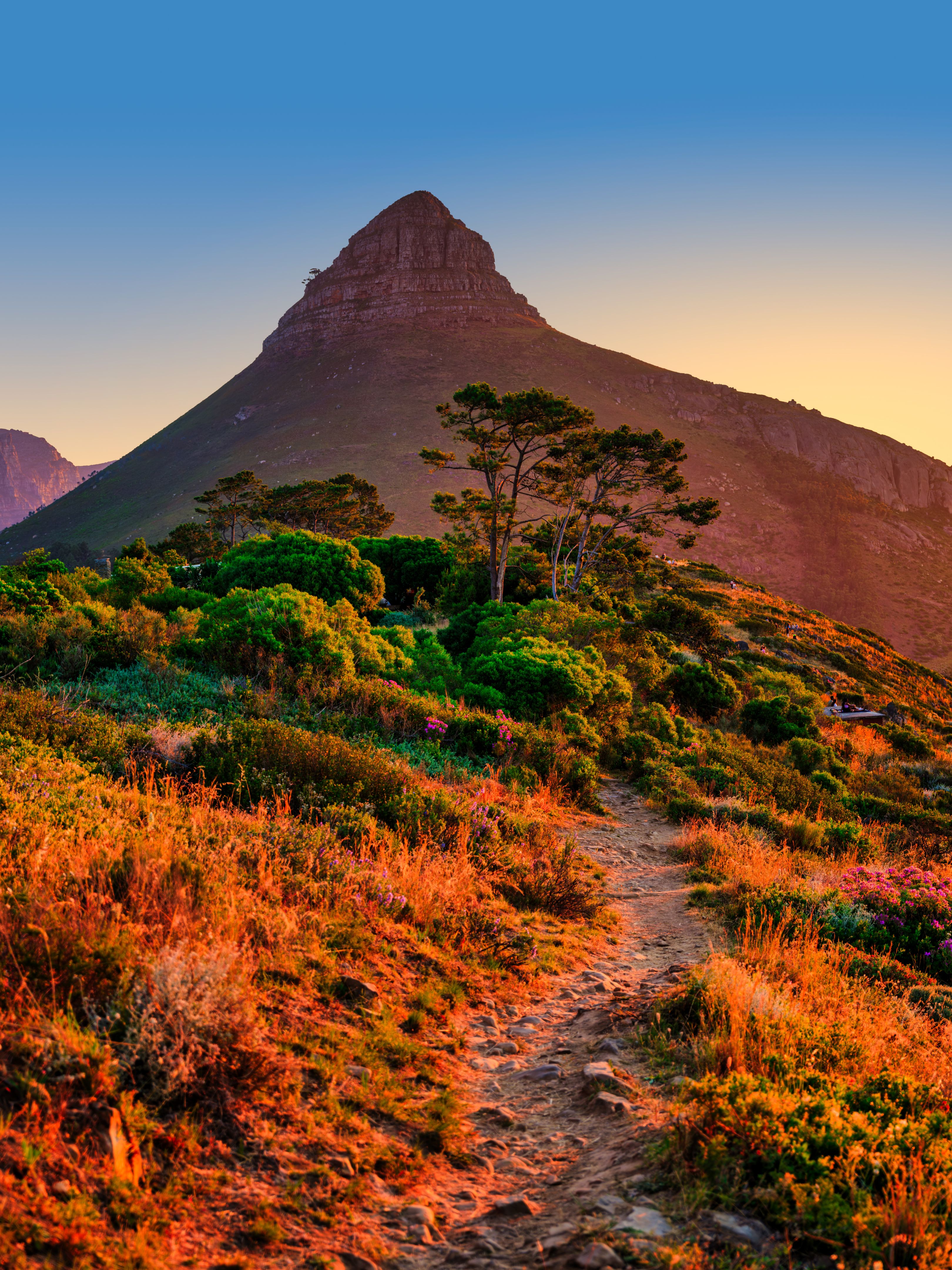
One of the most crucial aspects of photography is understanding and manipulating light. In South Africa, the quality of light changes dramatically from one landscape to another. The Karoo desert offers sharp, contrasting shadows, while the coastal regions provide soft, diffused light. Knowing how to adapt to these conditions is essential for capturing stunning images.
Photographers can experiment with the golden hour, which provides warm and flattering light. This time of day transforms ordinary scenes into extraordinary moments, enhancing the textures and colors of the landscape.
Capturing Wildlife in Their Natural Habitat
South Africa is renowned for its diverse wildlife, making it a perfect destination for wildlife photography. The Kruger National Park, for instance, offers a chance to capture the Big Five in their natural habitat. Patience is key, as animals may not always cooperate with your schedule.
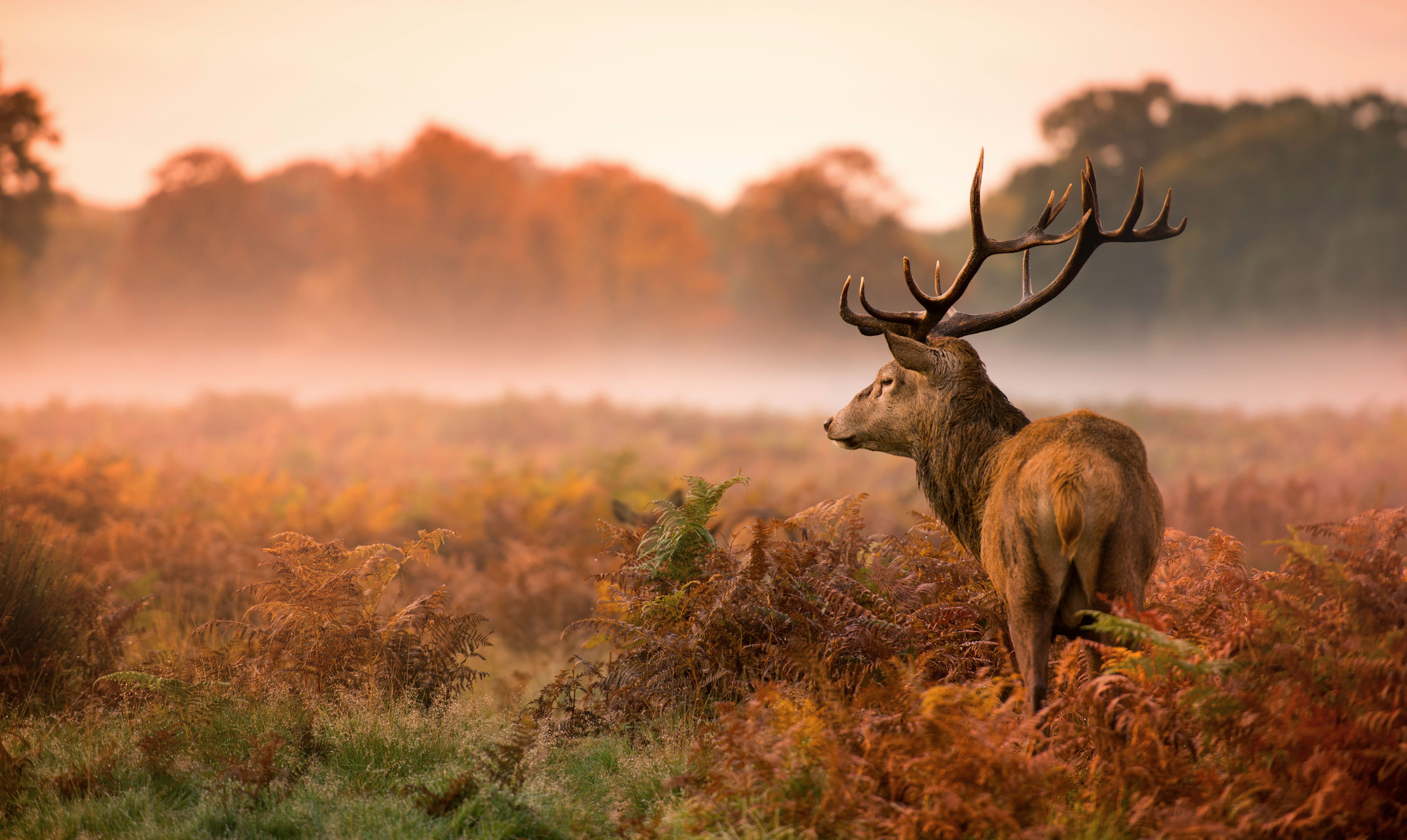
Using a telephoto lens is advisable for capturing distant subjects without disturbing them. Additionally, understanding animal behavior can significantly improve the chances of capturing that perfect shot.
Mastering Composition Techniques
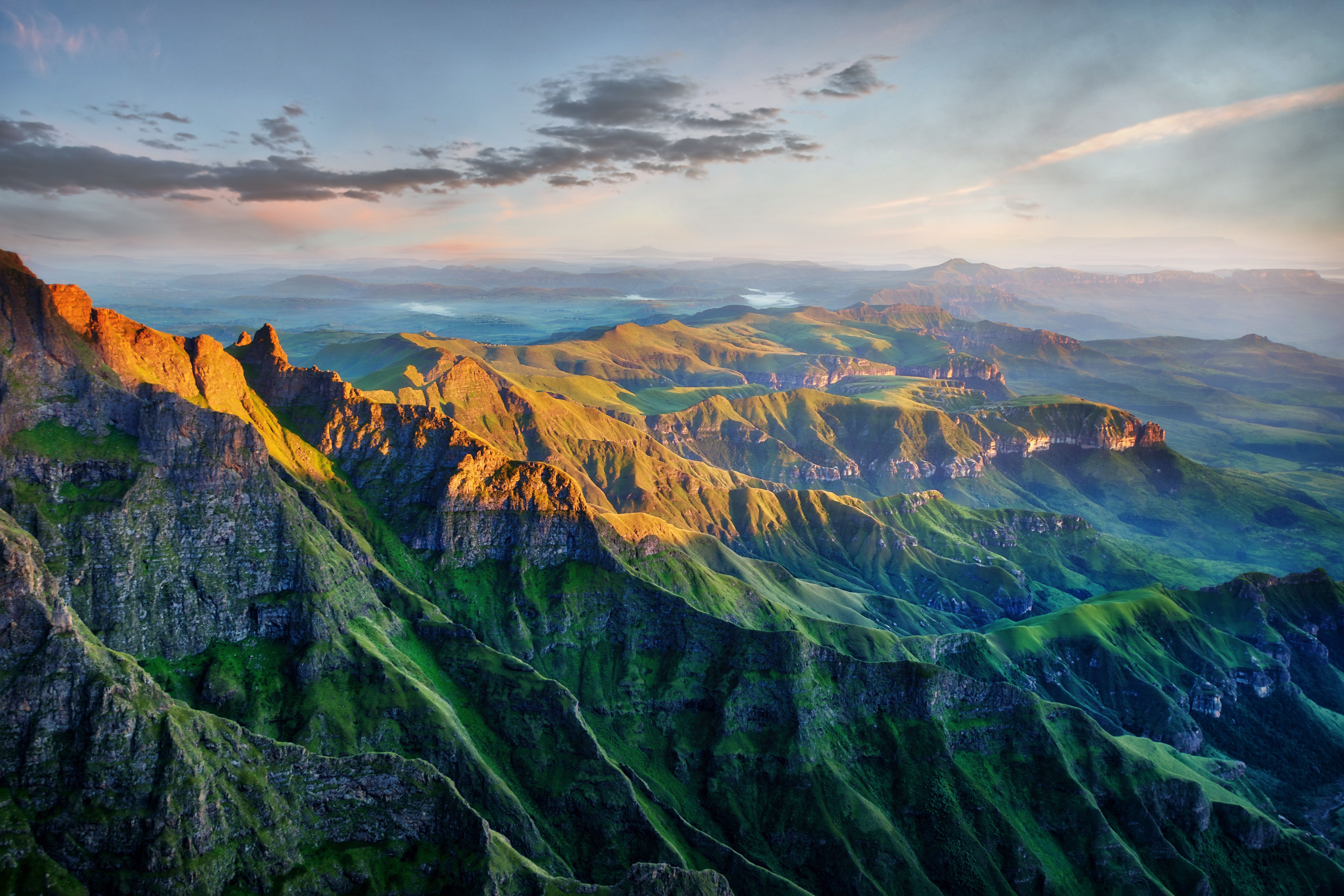
Composition is a fundamental aspect of photography that can make or break an image. The diverse landscapes of South Africa provide ample opportunities to practice different compositional techniques. The rule of thirds, leading lines, and framing are all techniques that can be applied to enhance an image's visual appeal.
For instance, the sweeping vistas of the Drakensberg Mountains offer natural lines and shapes that can be used to guide the viewer's eye through a photograph. Experimenting with these techniques helps photographers develop a keen eye for detail.
Post-Processing and Editing
While capturing the perfect shot in-camera is ideal, post-processing is an integral part of modern photography. Editing tools can be used to enhance colors, adjust exposure, and bring out details that might have been missed during the shoot. South Africa’s landscapes provide a vibrant palette that can be highlighted through careful editing.
However, it is important to maintain a balance and avoid over-editing. The goal is to enhance the natural beauty of the scene, not to create an unrealistic representation.
Sharing and Reflecting on Experiences
Photography is not just about capturing images; it's also about sharing stories and experiences. South Africa's landscapes are rich with history and cultural significance. Photographers are encouraged to share their work and the stories behind their images, fostering a deeper connection with their audience.
Reflecting on one's own photographic journey in such a diverse environment can lead to personal growth and a greater appreciation for the art of photography. Teaching others to see the world through a lens not only enriches their skills but also broadens their perspectives.