
Portrait Photography Tips: How to Express Emotions Through Your Lens


Understanding the Role of Emotion in Portrait Photography
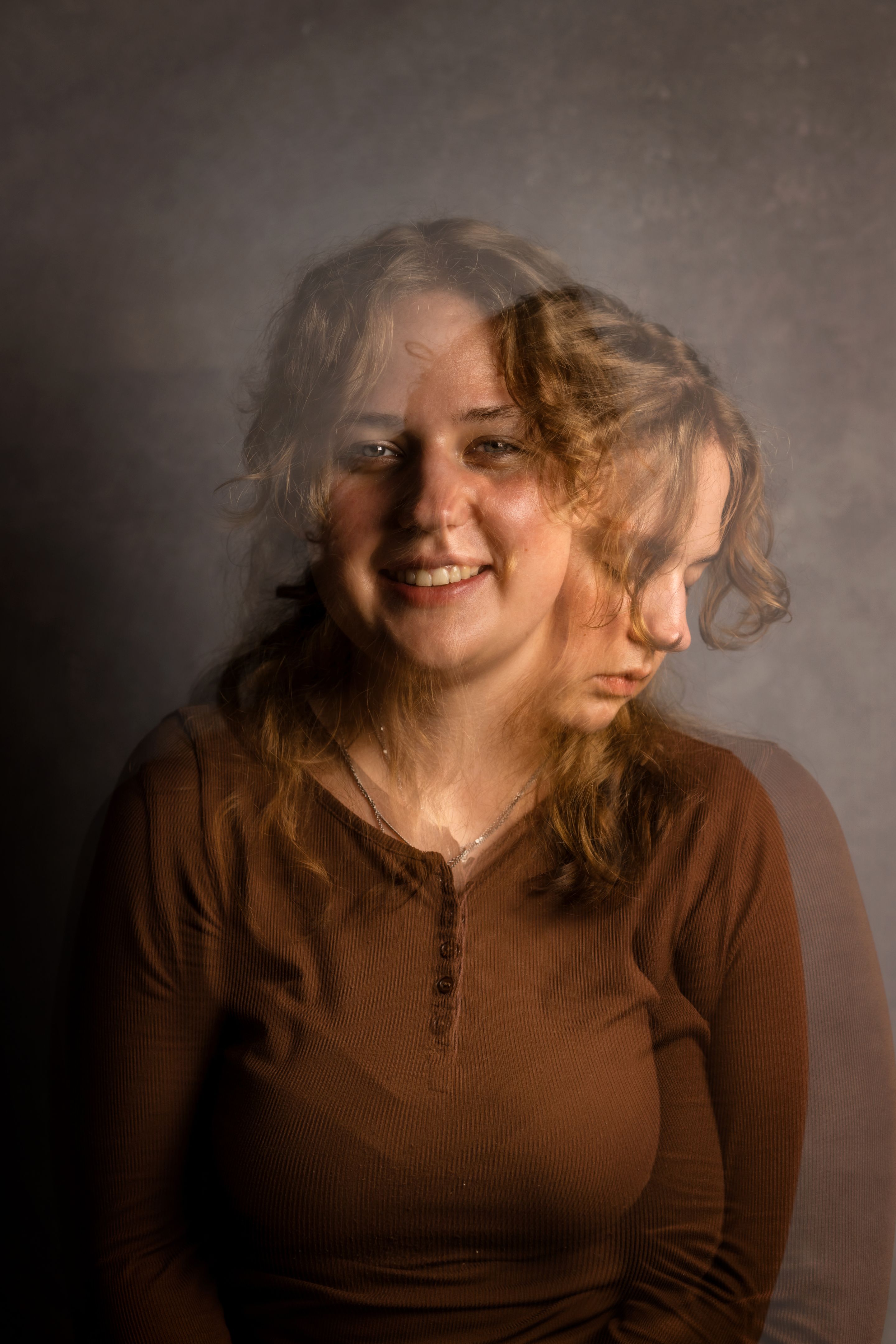
Portrait photography is more than just capturing a person's likeness; it's about conveying the emotions and essence of the subject. A successful portrait tells a story and evokes feelings in the viewer. To achieve this, photographers need to connect with their subjects on a deeper level. Understanding the role of emotion in your work can turn an ordinary photo into an extraordinary one.
Building a Connection with Your Subject
To capture genuine emotions, it's crucial to build a rapport with your subject. Start by having a conversation before the shoot to make them feel comfortable and relaxed. This connection will help them open up and express their true selves in front of the camera. Encourage them to share a bit about their life or passions, as this can lead to more authentic expressions.
Using Posing and Composition to Enhance Emotion
The way a subject is posed can significantly impact the emotional tone of a portrait. Experiment with different poses to see what best conveys the mood you're aiming for. Soft, relaxed poses often suggest calmness or introspection, while dynamic poses can express energy or excitement. Additionally, consider the composition of your shot. Framing, angles, and background all play a role in enhancing the emotional impact of the image.

Lighting Techniques to Highlight Emotions
Lighting is a powerful tool in portrait photography. Different lighting setups can evoke various emotions. Soft, diffused lighting can create a gentle, soothing atmosphere, while harsh, direct lighting might suggest tension or drama. Experiment with natural and artificial light sources to see how they affect the mood of your portrait.
Consider the direction of the light as well. Side lighting can add depth and drama by casting shadows, whereas front lighting tends to soften features and create a more cheerful feel. The right lighting can make the difference between a flat image and one that truly resonates with viewers.

Post-Processing for Emotional Impact
Post-processing is another avenue to enhance emotions in your portraits. Use editing software to adjust colors, contrast, and brightness to amplify the mood of the photograph. Warm tones can evoke feelings of happiness and nostalgia, while cooler tones might suggest calmness or melancholy. Be mindful not to over-edit, as this can detract from the authenticity of the emotion.
Conclusion: The Art of Emotional Expression
Expressing emotions through portrait photography is an art that requires patience, practice, and empathy. By focusing on building connections, using thoughtful posing and composition, experimenting with lighting, and employing careful post-processing, photographers can create portraits that not only capture the essence of their subjects but also resonate deeply with viewers. Remember, the most impactful portraits are those that tell a story and evoke genuine emotions.