
Mastering Portraits: Tips from a South African Portrait Photographer


Understanding the Art of Portrait Photography
Portrait photography is more than just capturing a face; it's about telling a story, conveying emotions, and showcasing the essence of the subject. South African portrait photographer, Thabo Nkosi, shares his insights on mastering this intricate art form. From choosing the right equipment to creating a comfortable atmosphere, these tips will help you elevate your portrait photography skills.
Choosing the Right Equipment
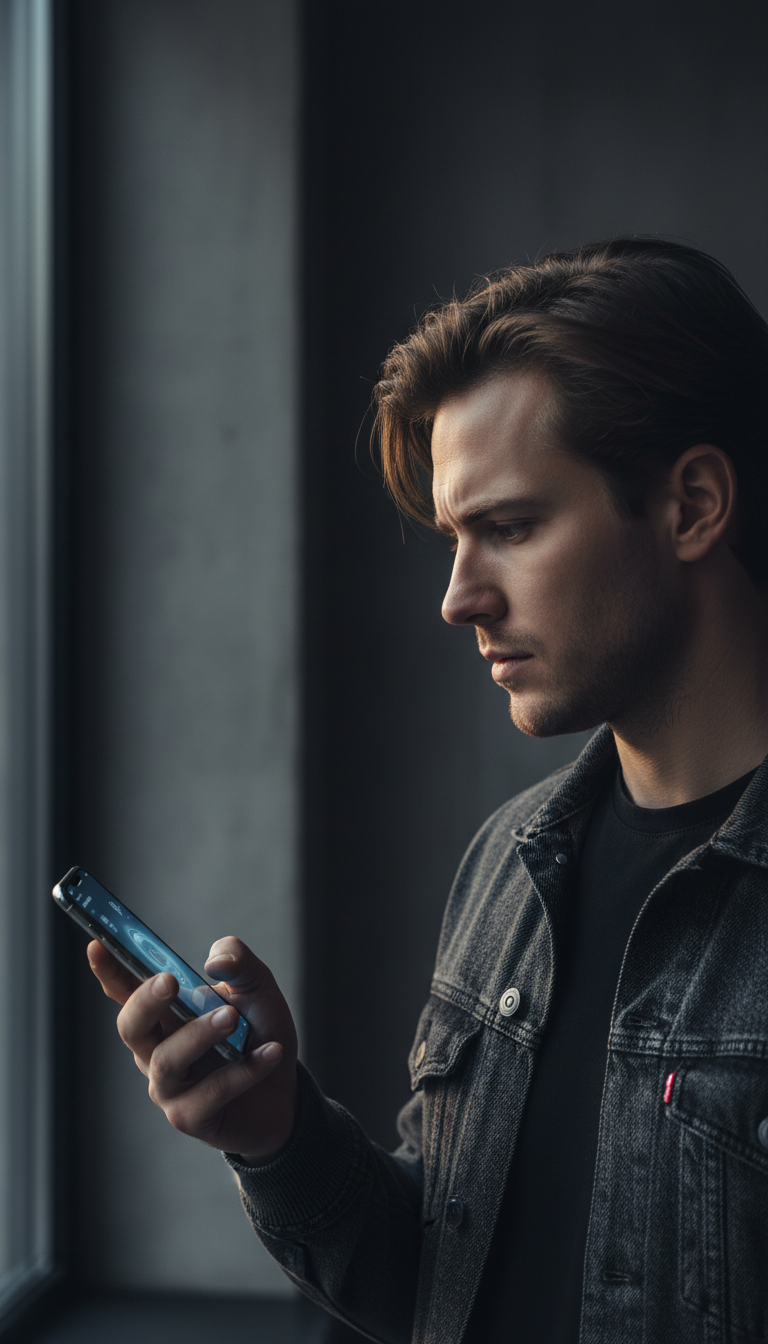
One of the first steps in mastering portrait photography is selecting the appropriate equipment. A good camera and lens can make a significant difference. Thabo recommends using a DSLR or mirrorless camera with a fast lens such as a 50mm or 85mm prime lens. These lenses offer a shallow depth of field, which is crucial for achieving the beautiful background blur known as bokeh.
Lighting is another critical factor. Natural light is ideal for portraits, but when shooting indoors, consider investing in a softbox or reflector to enhance your lighting setup. Experiment with different lighting angles to find the most flattering look for your subject.
Engaging with Your Subject
Creating a comfortable and relaxed environment is essential for capturing authentic expressions. Thabo emphasizes the importance of building rapport with your subject before the shoot. Spend a few minutes chatting to make them feel at ease. This connection will reflect in their expressions and body language, resulting in more genuine portraits.
Posing and Composition Techniques
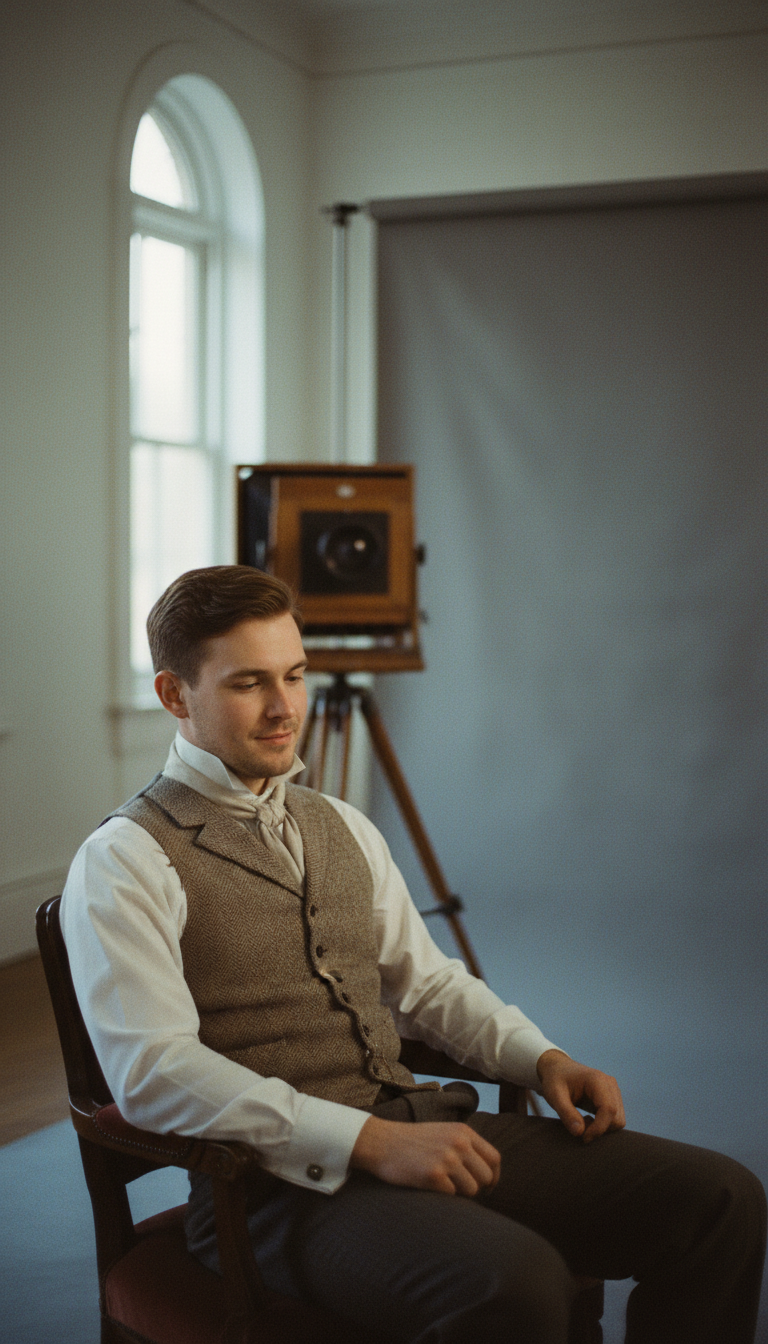
Composition is key in portrait photography. Thabo suggests using the rule of thirds to create balanced and visually appealing images. Position your subject off-center and use leading lines or natural frames to draw attention to their face.
When it comes to posing, simplicity is often best. Encourage natural poses and minor adjustments rather than overly staged positions. Pay attention to the placement of hands and the direction of the subject's gaze to add depth and interest to your photos.
Post-Processing for Perfection
Editing is a vital part of the portrait photography process. Thabo advises using software like Adobe Lightroom or Photoshop to enhance your images. Focus on adjusting the exposure, contrast, and color balance to bring out the best in your portraits.
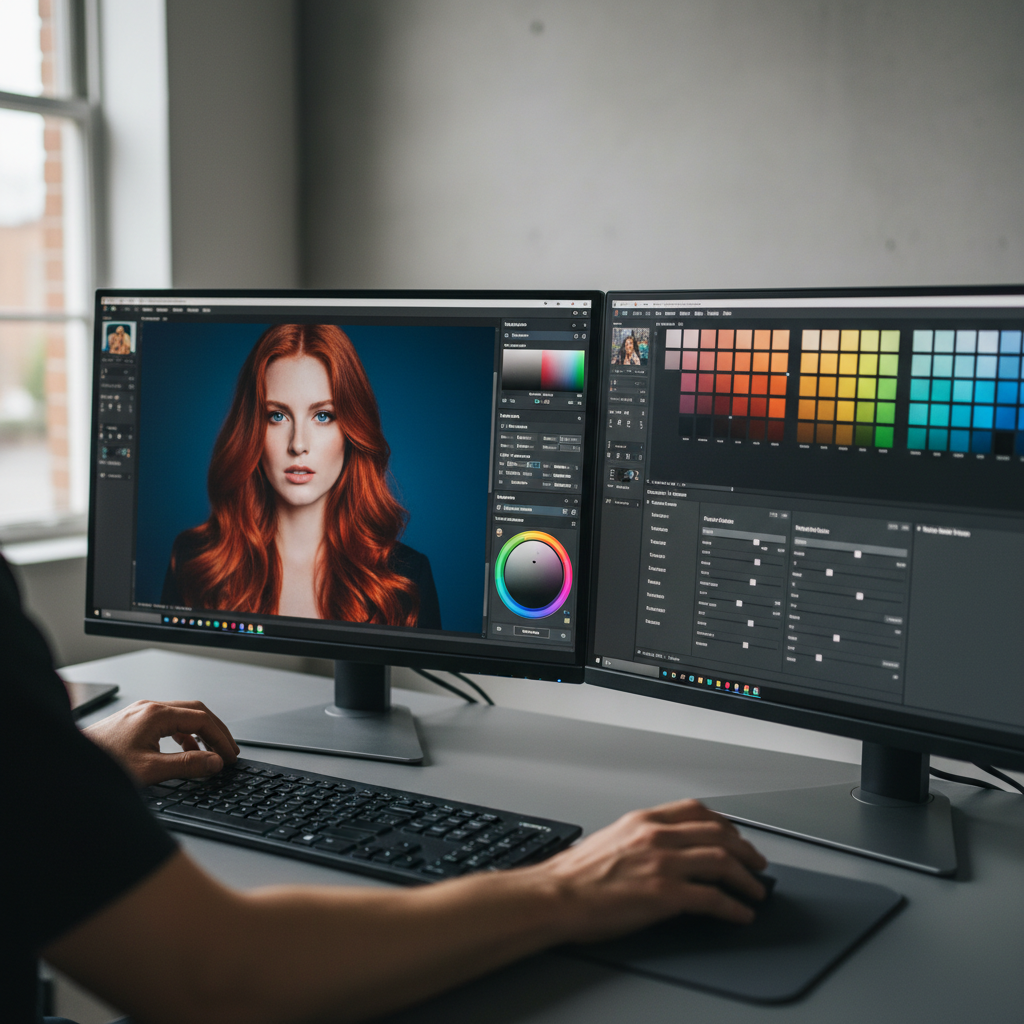
Be mindful not to over-edit. The goal is to enhance the natural beauty of the subject, not to alter their appearance drastically. Subtle retouching can make a significant difference without losing the authenticity of the portrait.
Finding Your Unique Style
Every photographer has a unique style that sets them apart. Thabo encourages aspiring photographers to experiment and discover their personal aesthetic. Try different techniques, play with lighting and shadows, and explore various editing styles until you find what resonates with you.
Remember, mastering portrait photography is a journey. Embrace the process, learn from each shoot, and continue to refine your skills. By following these tips from a seasoned South African photographer, you'll be well on your way to capturing stunning and meaningful portraits.