
How Photographic Art Enhances Counselling and Therapy Sessions


The Power of Photographic Art in Therapy
Photographic art has emerged as a powerful tool in enhancing the effectiveness of counselling and therapy sessions. By providing a visual medium for expression, it allows clients to tap into emotions and memories that might be difficult to articulate with words alone.
Incorporating photographic art into therapy can foster a deeper understanding between the therapist and the client. This visual form of expression can reveal insights into a client's emotional state, helping to guide the therapeutic process more effectively.
Facilitating Emotional Expression
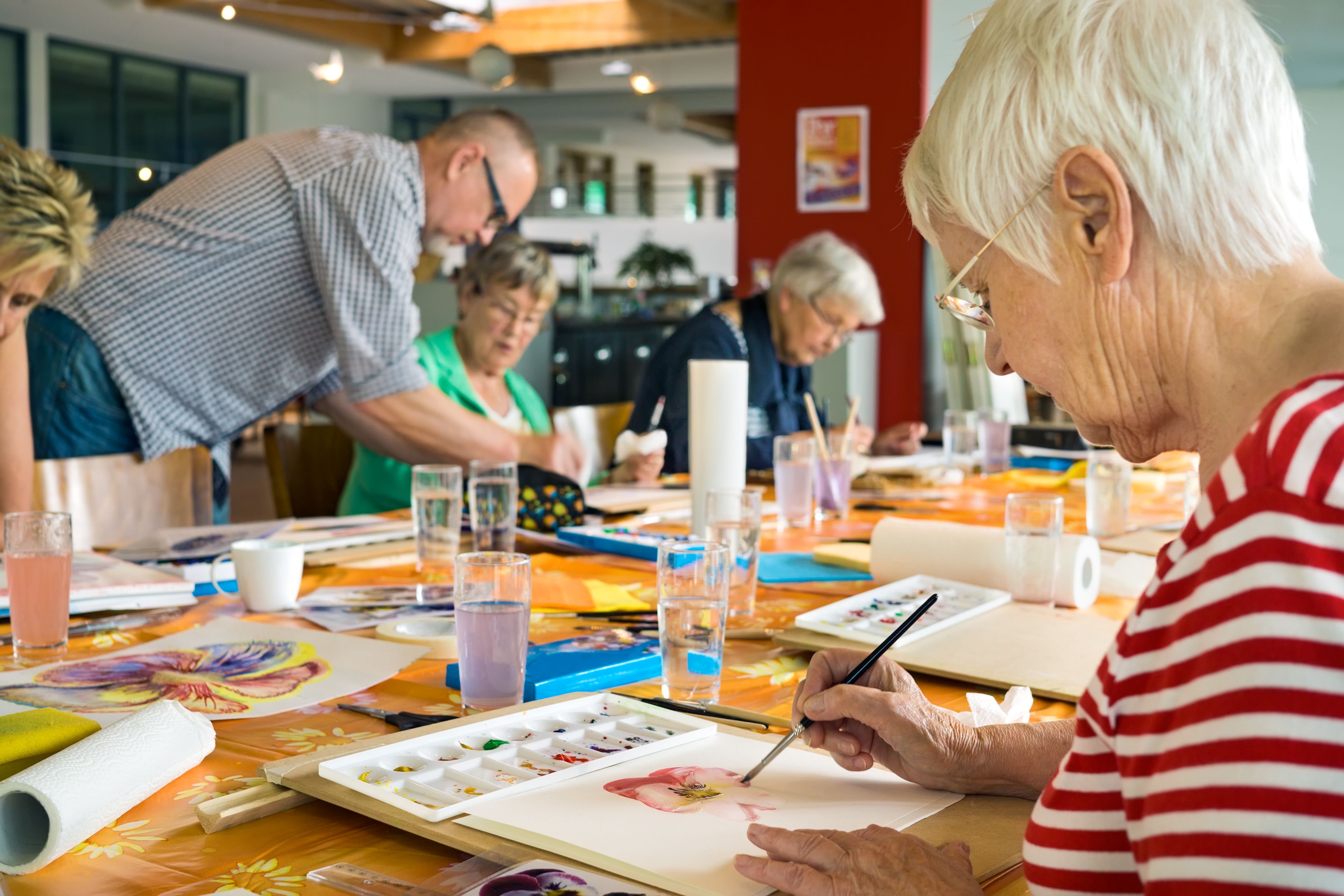
One of the most significant benefits of using photographic art in therapy is its ability to facilitate emotional expression. For many clients, verbalizing feelings can be challenging. Photographic art allows them to explore and communicate emotions in a non-verbal way, providing a safe space for self-exploration.
Clients can use photography to create visual narratives of their experiences, which can be particularly beneficial for those dealing with trauma or grief. The process of selecting or creating images can help them process complex emotions.
Enhancing Self-Awareness
Photographic art can also enhance self-awareness by encouraging clients to reflect on their personal narratives. By examining the images they create or choose, clients may gain new perspectives on their behaviors and emotions.
This method can uncover patterns and triggers that might not be immediately apparent, helping clients to develop strategies for personal growth and healing. The creative nature of photography also encourages a sense of agency and empowerment.

Building Therapeutic Rapport
Incorporating photographic art into therapy sessions can strengthen the rapport between therapist and client. Shared discussions about images can build trust and openness, laying the groundwork for more productive therapy sessions.
The visual aspect of photography also provides therapists with a unique insight into their clients' inner worlds. By interpreting the images together, therapists can tailor their approach to better meet the clients' needs.
Practical Applications in Therapy
There are several practical ways to integrate photographic art into therapy. Therapists can encourage clients to bring in personal photographs that hold significance, or they can collaborate on creating new images during sessions.
Additionally, therapists can use a variety of exercises such as photo journals, where clients document their daily experiences, or thematic photo projects that focus on specific emotions or life events.
Conclusion
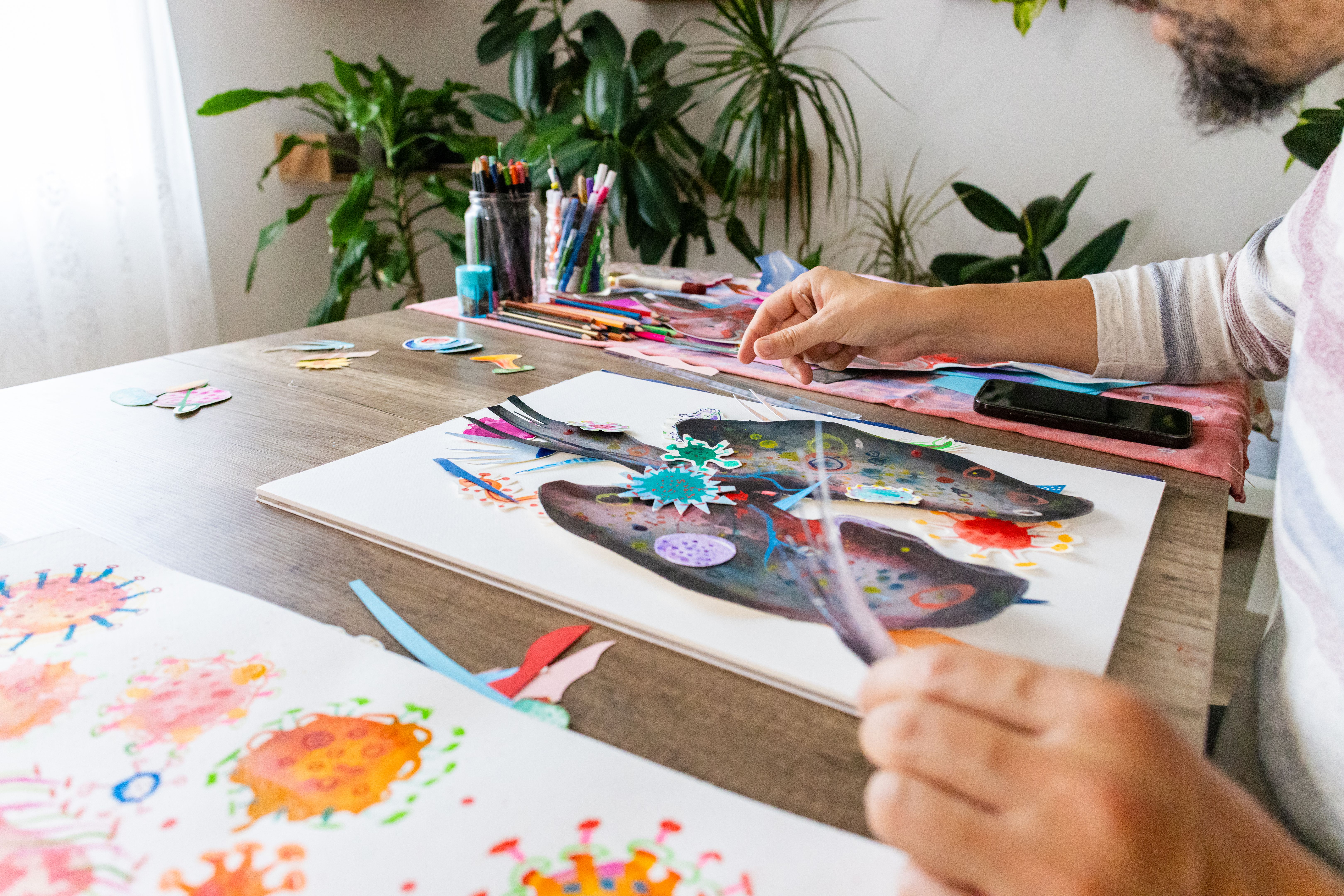
The integration of photographic art into counselling and therapy sessions offers a unique and effective way to enhance emotional expression, self-awareness, and therapeutic rapport. As a versatile and accessible tool, it provides clients with new avenues for healing and personal growth.
By embracing this innovative approach, therapists can create more dynamic and impactful sessions, ultimately leading to better outcomes for their clients.