
Capturing the Wild: A Guide to Nature Photography in South Africa


Introduction to Nature Photography in South Africa
Nature photography is a thrilling and rewarding pursuit, offering the chance to capture the untamed beauty of the natural world. South Africa, with its diverse landscapes and rich wildlife, provides an exceptional backdrop for photographers. From the sweeping savannas to the lush coastlines, the opportunities for stunning shots are endless.
Whether you're an amateur looking to refine your skills or a professional seeking fresh inspiration, South Africa's varied environments offer something for everyone. This guide will help you navigate the essentials of nature photography in this magnificent country.
Choosing the Right Equipment
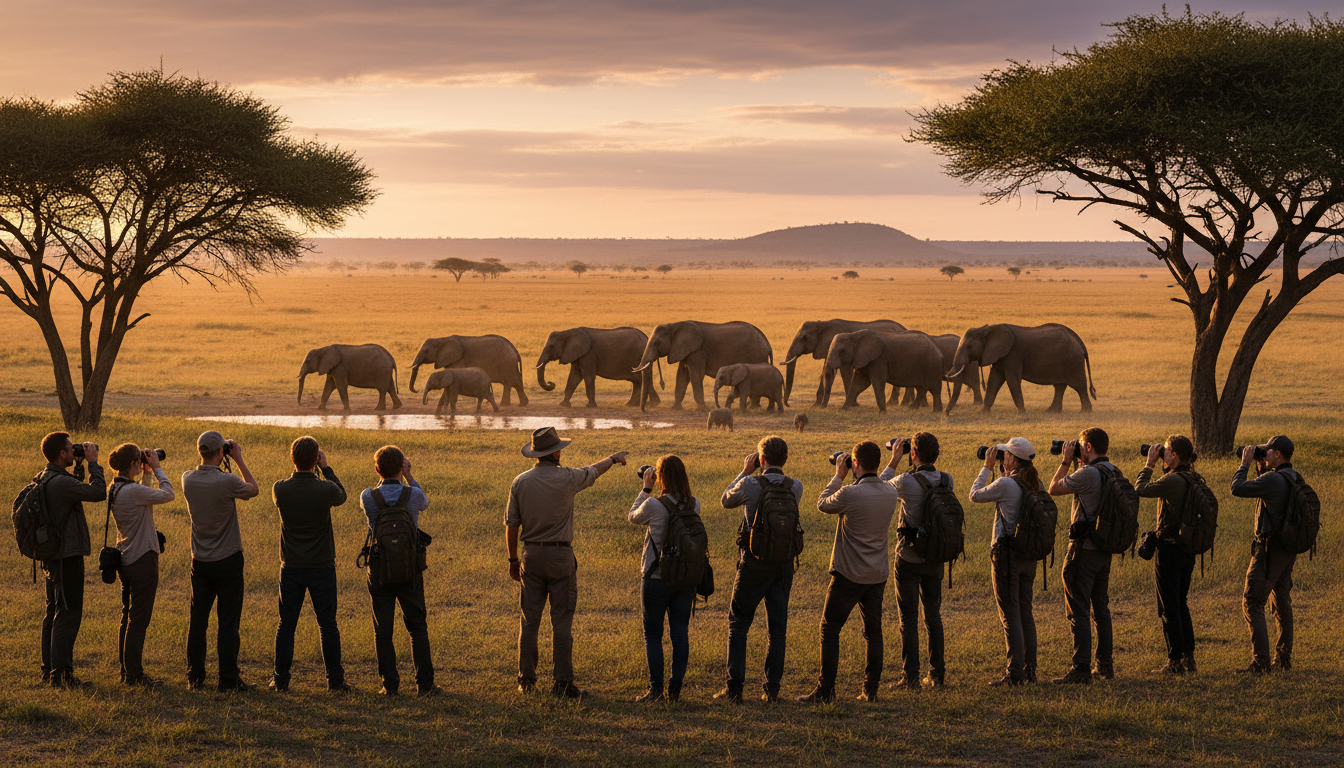
Selecting the appropriate camera gear is crucial for capturing the best images. A DSLR or mirrorless camera with a versatile zoom lens is highly recommended. A focal range of 70-300mm is ideal for wildlife photography, allowing you to get close without disturbing the animals.
Don’t forget to pack a sturdy tripod, especially if you plan to shoot landscapes or use slower shutter speeds. Additionally, a polarizing filter can help reduce glare and enhance colors, particularly useful in the bright South African sunlight.
Camera Settings and Techniques
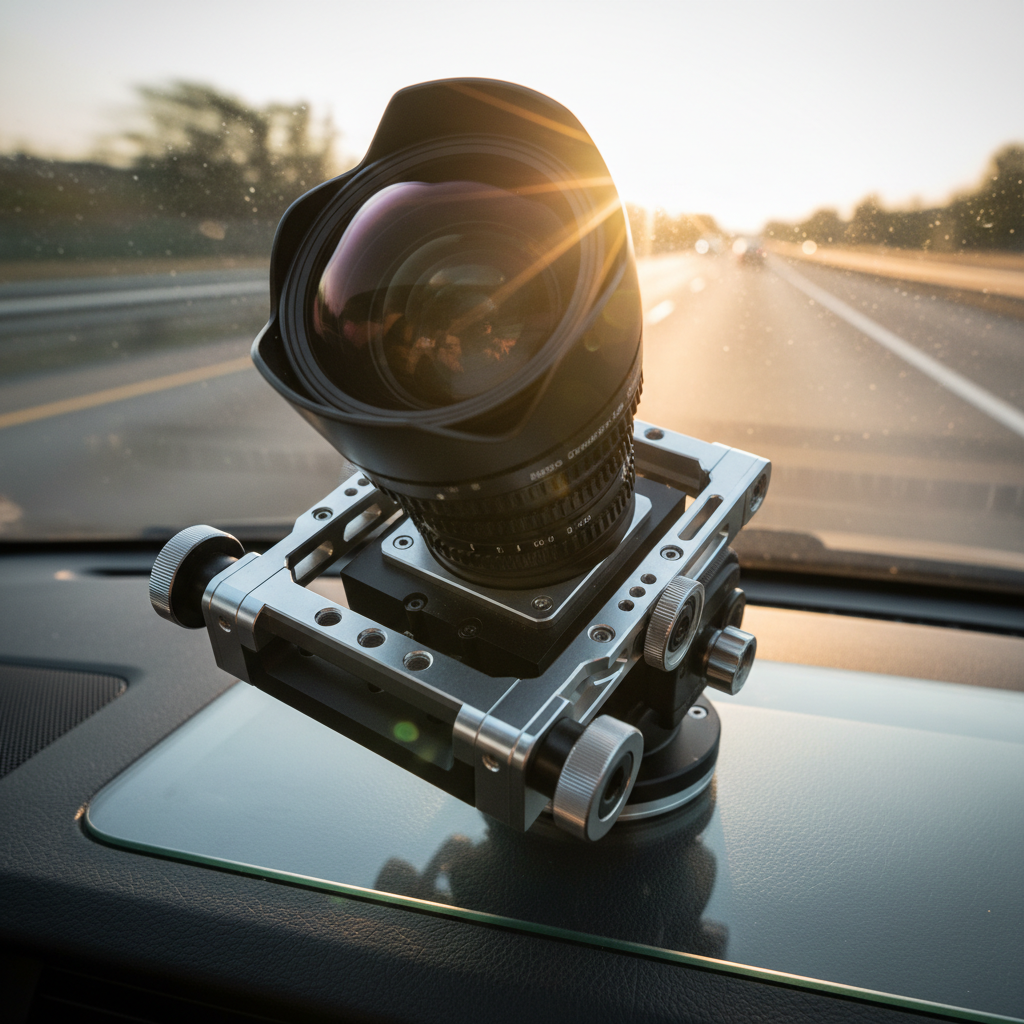
Understanding your camera’s settings is vital to capturing the perfect shot. For wildlife photography, utilize a fast shutter speed to freeze motion. Aperture priority mode can be helpful, allowing you to control depth of field while the camera adjusts exposure.
Experiment with different perspectives and compositions. Changing your angle or focal point can drastically alter the impact of an image. Patience and persistence are your best friends; sometimes, waiting for the perfect moment is key.
Exploring South Africa's Iconic Locations
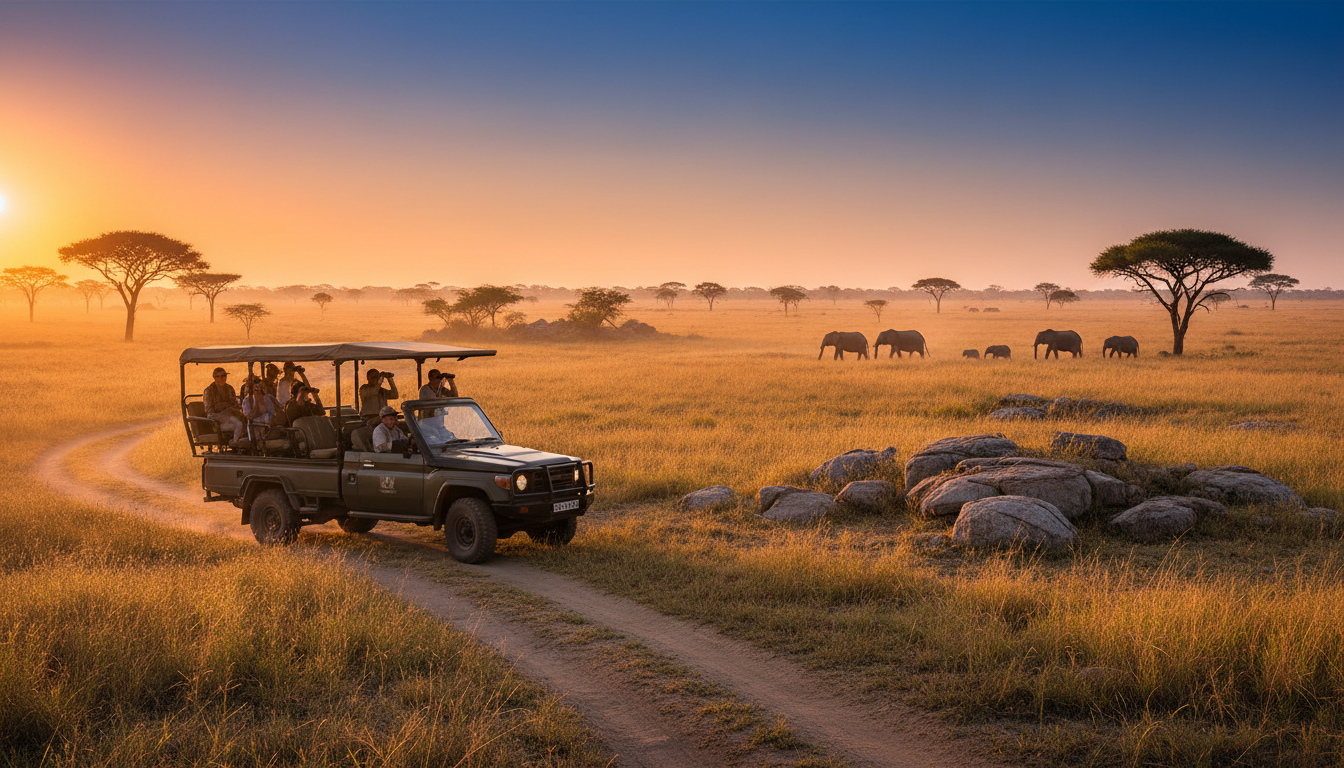
South Africa boasts numerous iconic locations for nature photography. The Kruger National Park is a must-visit, renowned for its diverse wildlife population, including the Big Five: lions, elephants, buffalos, leopards, and rhinos.
The Drakensberg Mountains offer breathtaking vistas and unique geological formations, perfect for landscape photography. Meanwhile, the Cape Peninsula provides stunning coastal scenes and opportunities to capture marine life.
Respecting Wildlife and Nature
While capturing the wonders of nature, it's essential to respect the environment and its inhabitants. Maintain a safe distance from wildlife and never attempt to feed or disturb animals. Keeping noise to a minimum will help you blend into the surroundings and observe natural behaviors.
Staying on designated paths minimizes your impact on the ecosystem. Remember, your goal is to capture the beauty of the wild without altering it.
Editing and Sharing Your Work
Post-processing is an integral part of nature photography. Software like Adobe Lightroom or Photoshop can enhance your images, adjusting exposure, contrast, and color balance to bring out the best in your shots.
Sharing your work on social media or photography platforms can inspire others and connect you with a community of like-minded individuals. Consider entering photography contests to challenge yourself and gain recognition for your work.
Final Thoughts
Nature photography in South Africa is more than just capturing images; it's about experiencing the wild in its purest form. With the right equipment, a respectful approach, and a keen eye for detail, you can create stunning images that tell the story of this remarkable land.