
Capturing the Spirit of South African Wildlife: A Photographer's Guide


South Africa, with its vast landscapes and diverse ecosystems, offers a unique opportunity for photographers to capture the essence of wildlife in its natural habitat. From the iconic Big Five to vibrant birdlife and lesser-known creatures, the country's wildlife is a treasure trove for any photography enthusiast.
Understanding the Environment
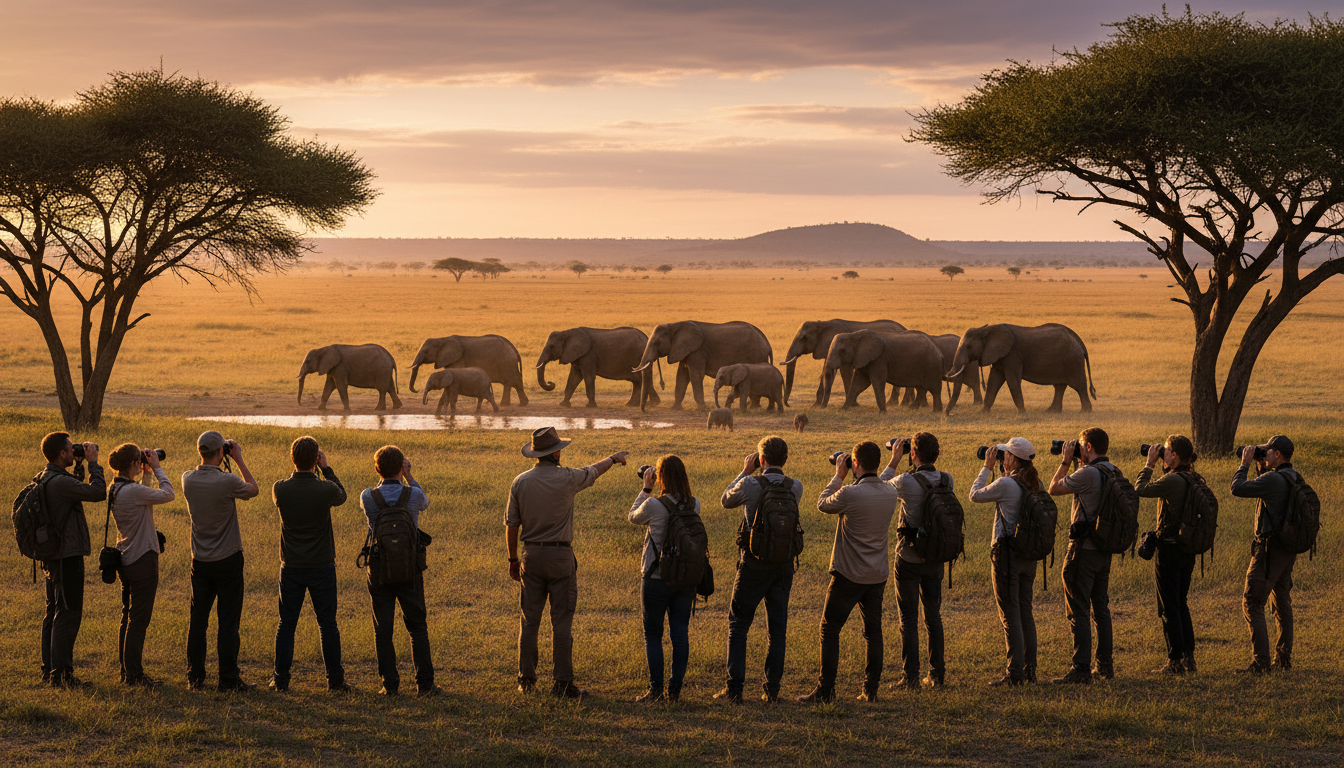
Before setting out on a photographic expedition, it's crucial to understand the environment you are entering. South Africa boasts several game reserves and national parks, each with its own unique landscape and wildlife. Whether you are exploring the savannas of Kruger National Park or the wetlands of iSimangaliso, knowing the terrain will help you prepare your equipment and plan your shots.
Consider the time of year you plan to visit. Seasons in South Africa can dramatically affect wildlife behavior and visibility. The dry winter months often result in animals gathering around water sources, making them easier to spot and photograph.
Choosing the Right Equipment
Having the appropriate equipment is essential for capturing stunning wildlife images. A DSLR or mirrorless camera with a telephoto lens is recommended to get close-up shots without disturbing the animals. A lens with a focal length of at least 300mm can be ideal for long-range photography.
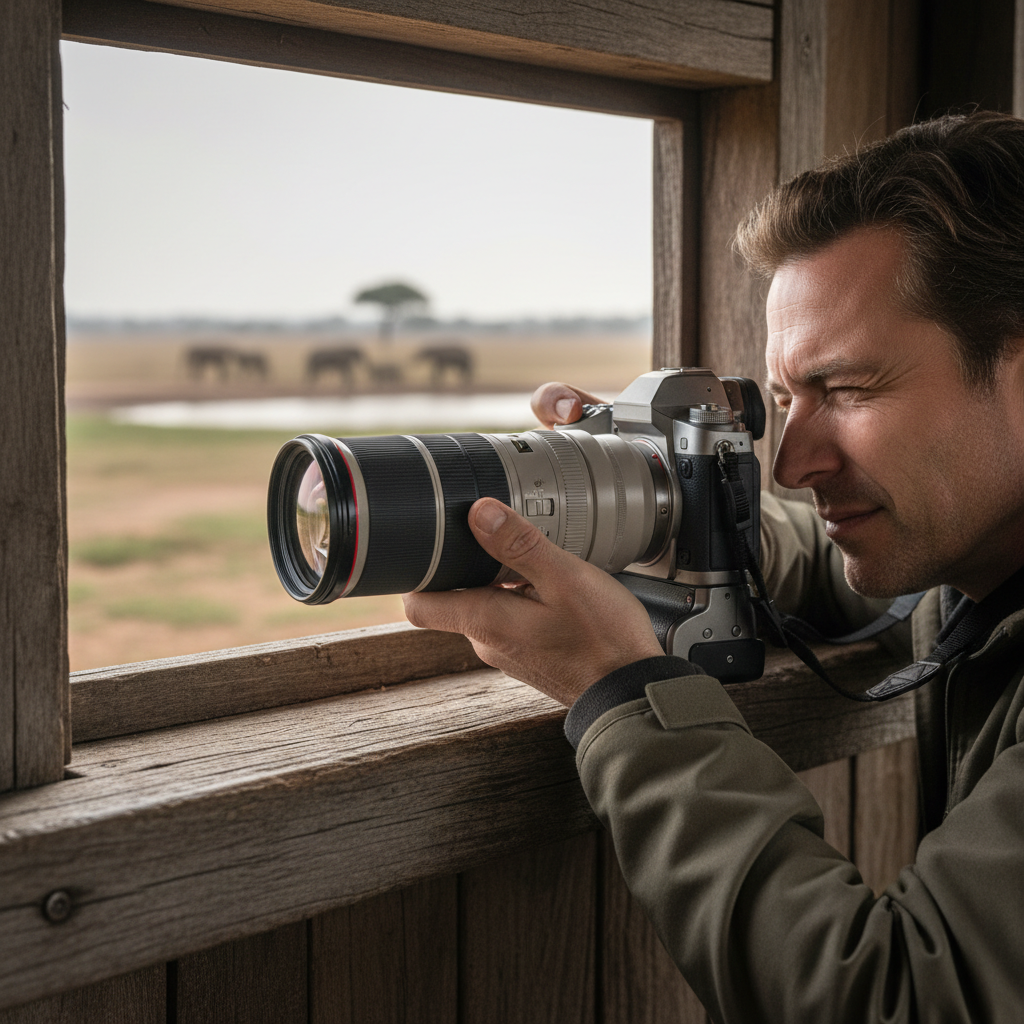
Don't forget to carry extra batteries and memory cards. Wildlife photography can be unpredictable, and you don't want to miss a perfect shot due to a lack of storage or power. Additionally, a sturdy tripod can help stabilize your camera for those long-distance shots.
Mastering the Art of Patience
Wildlife photography demands patience and persistence. Animals operate on their own schedules, and sometimes the perfect shot requires waiting for hours. Being patient allows you to observe and understand animal behavior, leading to more insightful and captivating photographs.
Consider setting up near waterholes or along animal trails. These spots increase your chances of witnessing wildlife activity. Ensure you remain quiet and maintain a respectful distance to avoid startling the animals.

Composing the Perfect Shot
Composition is key in wildlife photography. Use the rule of thirds to create balanced and engaging images. Placing the subject off-center can add interest and guide the viewer's eye through the scene.
Pay attention to the background and foreground elements that can enhance the story of your photograph. Elements like trees, rocks, or even the sky can add context and depth to your images.
Respect for Wildlife
Finally, always prioritize ethical practices when photographing wildlife. Respect the animals and their habitat by keeping a safe distance and never interfering with their natural behavior. Responsible photography ensures that these magnificent creatures can continue to thrive in their natural environments.
Adhering to park regulations and guidelines is essential. Remember, your presence should never jeopardize the wellbeing of the wildlife or disrupt the ecosystem.

Capturing the spirit of South African wildlife is a rewarding experience that requires preparation, patience, and respect. By following these guidelines, you can create stunning images that not only showcase the beauty of wildlife but also contribute to its conservation.