
Capturing Nature's Beauty: A Guide to Nature Photography in South Africa


South Africa, with its stunning landscapes and diverse wildlife, is a paradise for nature photographers. From the sweeping savannas to the rugged coastlines, there are countless opportunities to capture breathtaking images. In this guide, we'll explore some of the best practices and tips for nature photography in this beautiful country.
Choosing the Right Equipment
To capture the essence of South Africa's natural beauty, having the right equipment is crucial. A good quality DSLR or mirrorless camera with interchangeable lenses can make all the difference. Consider investing in a sturdy tripod to stabilize your shots, especially during low light conditions.
When selecting lenses, a versatile zoom lens is essential for capturing both landscapes and wildlife. A wide-angle lens can be perfect for expansive scenes, while a telephoto lens allows you to capture distant subjects like animals without disturbing them.
Camera Settings for Nature Photography
Understanding your camera settings is key to successful nature photography. Use a low ISO setting to minimize noise and capture clear, sharp images. Aperture priority mode can help you control the depth of field, allowing you to emphasize your subject against a blurred background.

Exploring Iconic Locations
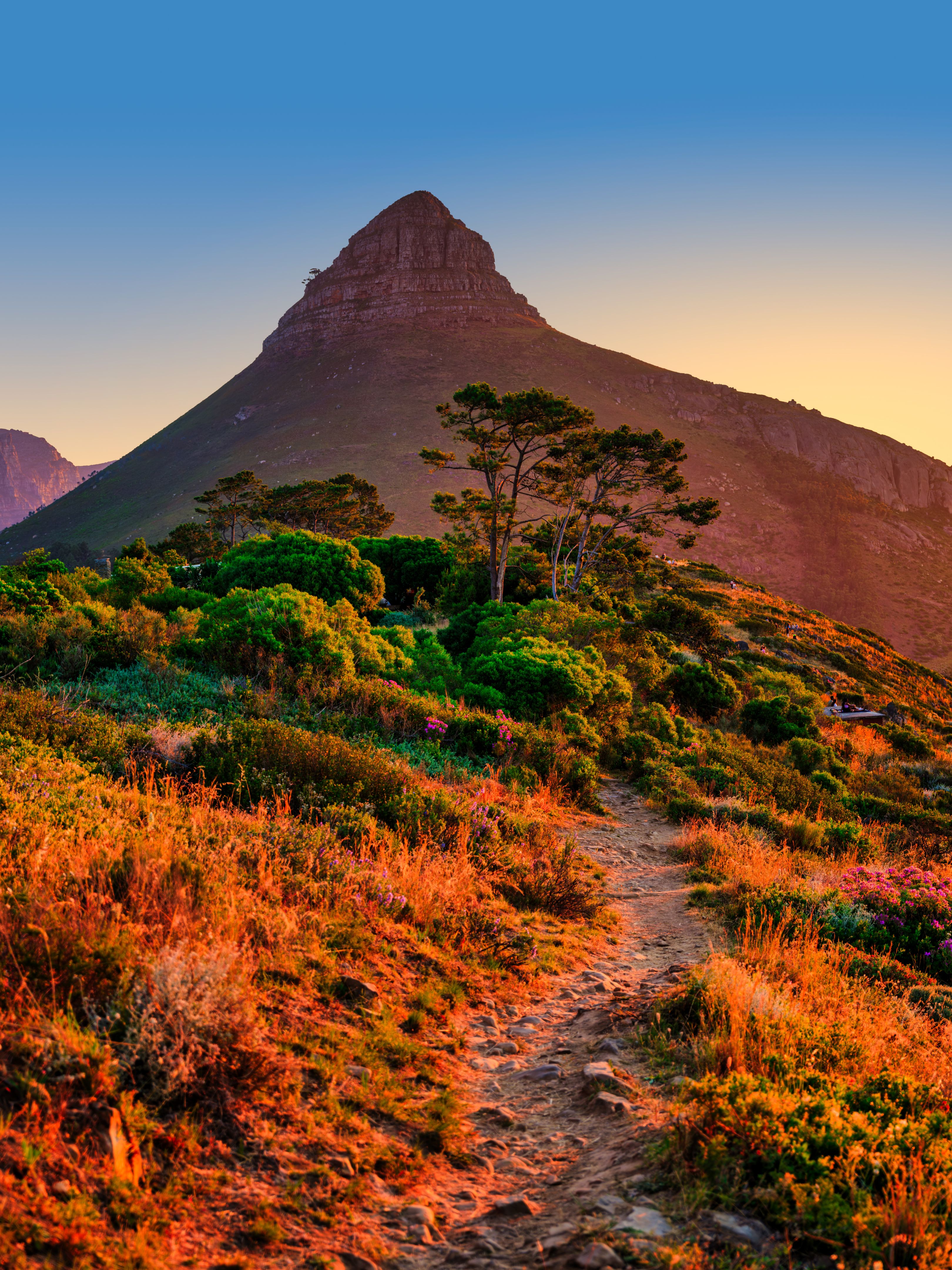
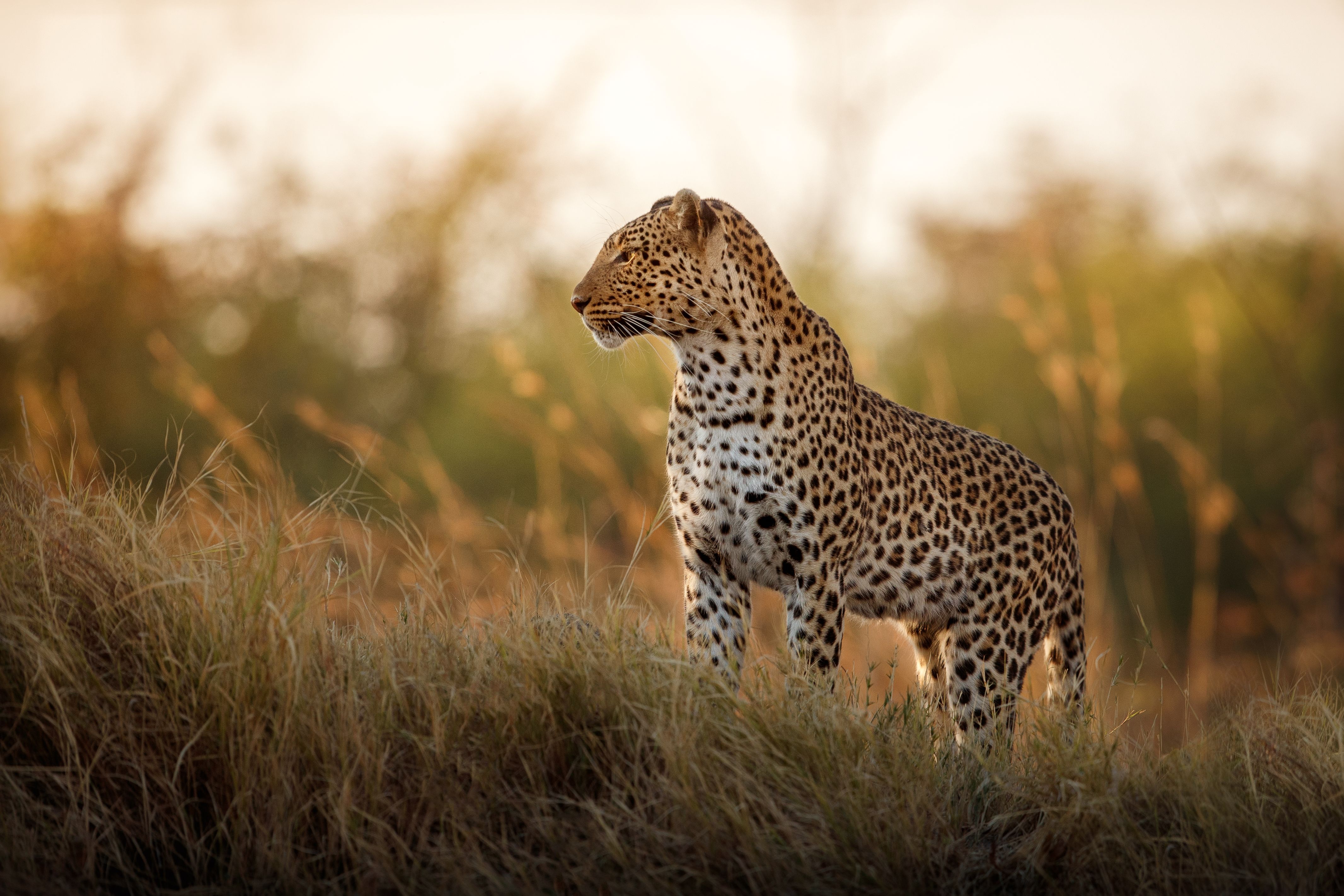
South Africa boasts numerous iconic locations that are perfect for nature photography. The Kruger National Park offers unparalleled wildlife photography opportunities, while Table Mountain provides dramatic landscapes. The Drakensberg Mountains and the Garden Route also offer stunning vistas that are a photographer's dream.
When planning your trip, research the best times to visit these locations. Early mornings and late afternoons often provide the best lighting conditions, known as the golden hour, which adds a magical quality to your photos.
Respecting Nature and Wildlife
While capturing the beauty of nature, it's essential to respect the environment and its inhabitants. Always maintain a safe distance from wildlife to avoid disturbing them. Follow all park guidelines and regulations to help preserve these natural wonders for future generations.
Consider using ethical photography practices, such as avoiding flash photography, which can startle animals. Instead, rely on natural light and patience to capture authentic moments.
Post-Processing Tips
Post-processing can enhance your nature photographs, bringing out the colors and details. Software like Adobe Lightroom or Photoshop can be used to adjust exposure, contrast, and saturation. However, it's important to maintain the natural look and feel of the scene.
Experiment with cropping to improve composition, and consider converting some images to black and white for a different perspective. Remember, the goal is to enhance, not alter, the beauty of what you captured.

Sharing Your Work
Once you've captured and edited your images, sharing them with others can be incredibly rewarding. Consider creating an online portfolio or sharing your work on social media platforms to reach a wider audience. Engaging with photography communities can also provide valuable feedback and inspiration.
Whether you're a seasoned photographer or a beginner, South Africa offers endless opportunities to explore and capture nature's beauty. With the right preparation and respect for the environment, your photography journey in this remarkable country will be both fulfilling and unforgettable.