Beginner’s Guide to South African Wildlife Photography: Tips for Aspiring Photographers


Understanding the Basics of Wildlife Photography
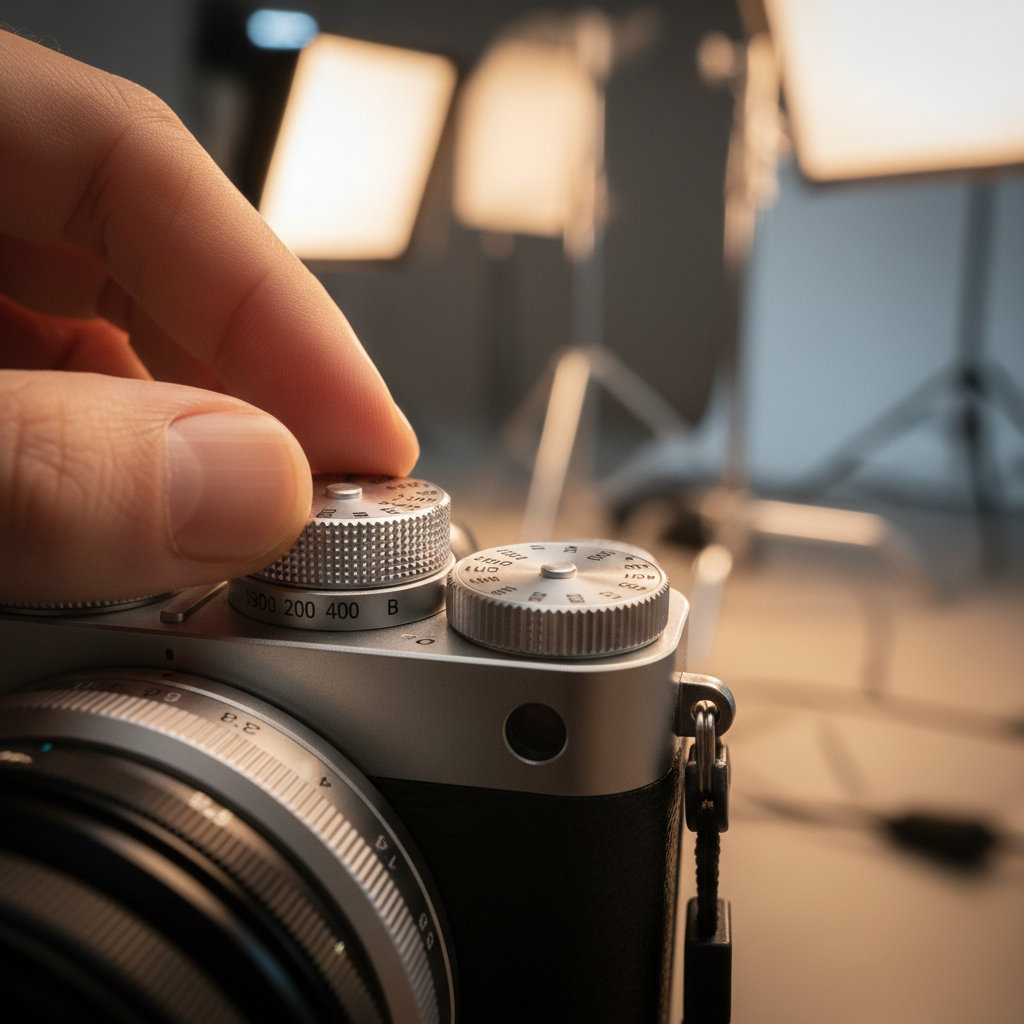
South Africa is a treasure trove for wildlife photographers, offering a diverse range of animals and breathtaking landscapes. To begin your journey, it's essential to understand the basics of wildlife photography. This includes knowing your camera equipment and how to use it effectively. Familiarize yourself with the different settings such as aperture, shutter speed, and ISO, as they play a crucial role in capturing the perfect shot.
Choosing the Right Gear
Investing in the right gear is vital for successful wildlife photography. A DSLR or mirrorless camera with a good zoom lens is recommended. Lenses between 200mm and 400mm are ideal for capturing distant subjects without disturbing them. Additionally, a sturdy tripod will help stabilize your camera, especially during low-light conditions.
Research and Planning
Before heading out, research the areas you plan to visit and the wildlife you are likely to encounter. Understanding animal behavior can significantly increase your chances of capturing unique moments. Plan your trips during the golden hours—early morning or late afternoon—when the lighting is soft and flattering.
Ethical Wildlife Photography
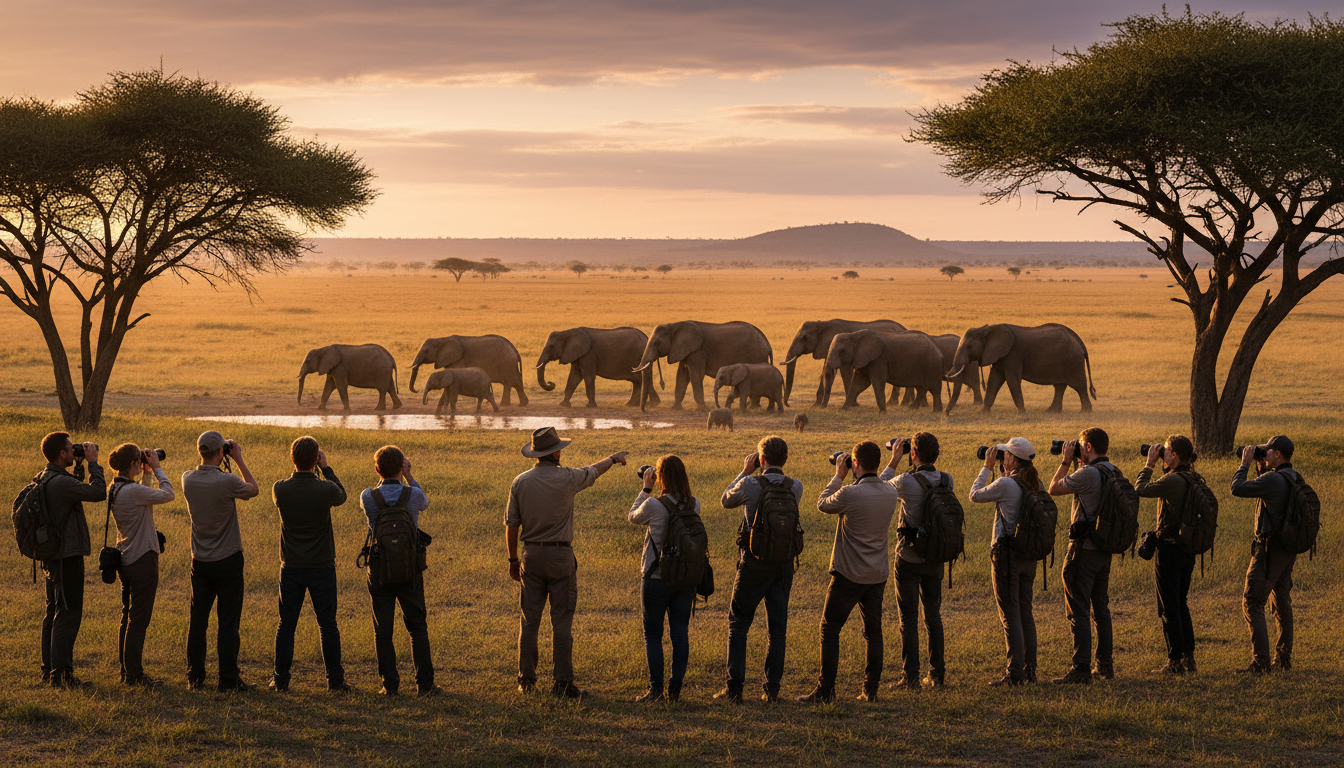
Ethics play a crucial role in wildlife photography. Always prioritize the well-being of the animals. Avoid disturbing their natural habitat and maintain a safe distance. Use appropriate lenses to capture close-up shots without intruding on their space. Remember, a good photographer respects both the subject and the environment.
Composition and Creativity
Composition is key to creating compelling images. Use the rule of thirds to position your subject off-center, adding dynamism to the photograph. Experiment with different angles and perspectives to highlight the unique characteristics of the wildlife. Don't hesitate to be creative and try new techniques.
Patience and Persistence
Wildlife photography requires patience and persistence. Sometimes, you might need to wait for hours to capture the perfect moment. Practice makes perfect, so keep shooting and learning from each experience. Over time, you'll develop an intuitive sense for anticipating animal behavior and capturing stunning images.
Editing and Post-Processing
Post-processing is an essential part of digital photography. Use editing software to enhance your images, adjusting contrast, brightness, and sharpness to bring out the best in your photos. However, ensure the edits remain true to the scene you captured, maintaining authenticity.

Building Your Portfolio
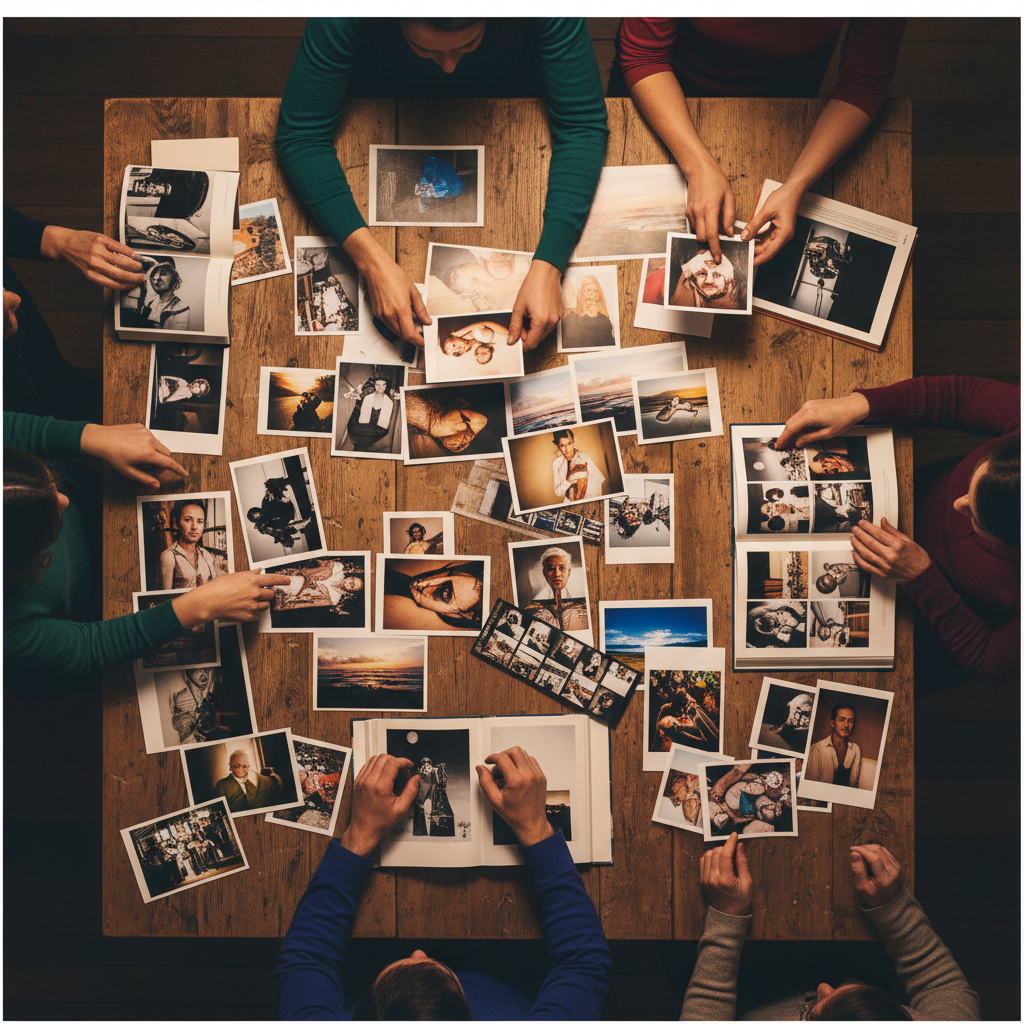
As you gain experience, start building a portfolio to showcase your work. A well-curated collection of your best images will help you gain recognition and opportunities in the field. Consider creating a website or using social media platforms to reach a broader audience.
Joining Photography Communities
Connecting with other photographers can be incredibly beneficial. Join local or online photography communities to share experiences, learn from others, and receive constructive feedback. Engaging with a community can also provide inspiration and motivation to continue honing your craft.